Thousands of underground storage tanks are in active use across Oklahoma — fueling gas stations, fleet operations, and commercial facilities every day. While these tanks are engineered for durability, age, corrosion, and mechanical failure can lead to leaks that send petroleum products seeping into surrounding soil and groundwater. When that happens, the environmental and regulatory consequences can be severe. Understanding what underground storage tank remediation involves, and why it matters, is essential knowledge for any tank owner or operator navigating Oklahoma's compliance landscape.
What Is UST Remediation?
Underground storage tank remediation oklahoma refers to the process of investigating, containing, and cleaning up contamination caused by a leaking or failed UST. The remediation process typically begins after a confirmed release is detected — either through routine compliance testing, a Notice of Violation (NOV) from the Oklahoma Corporation Commission (OCC), or observable signs of contamination such as petroleum odors or impacted soil at the surface.
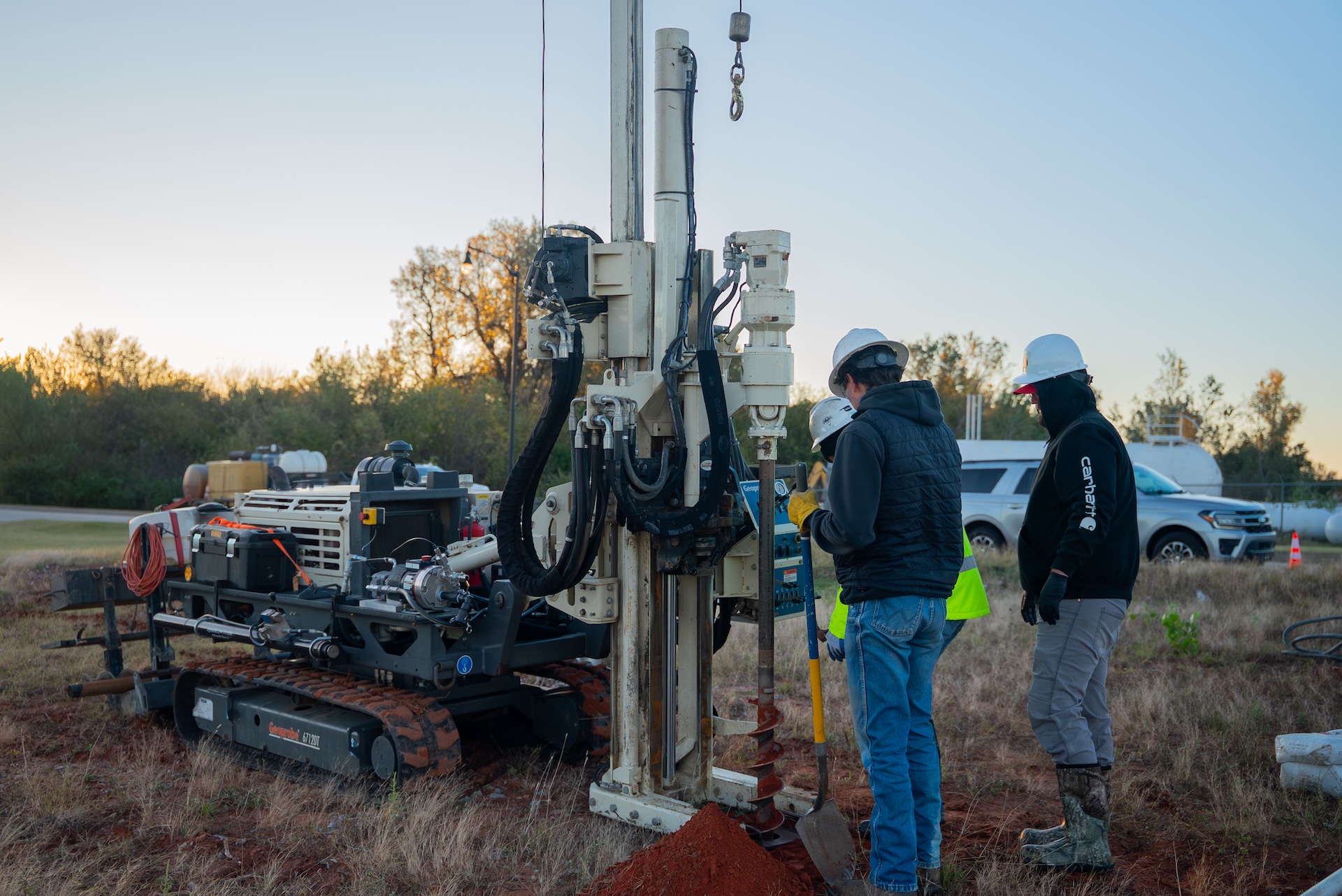
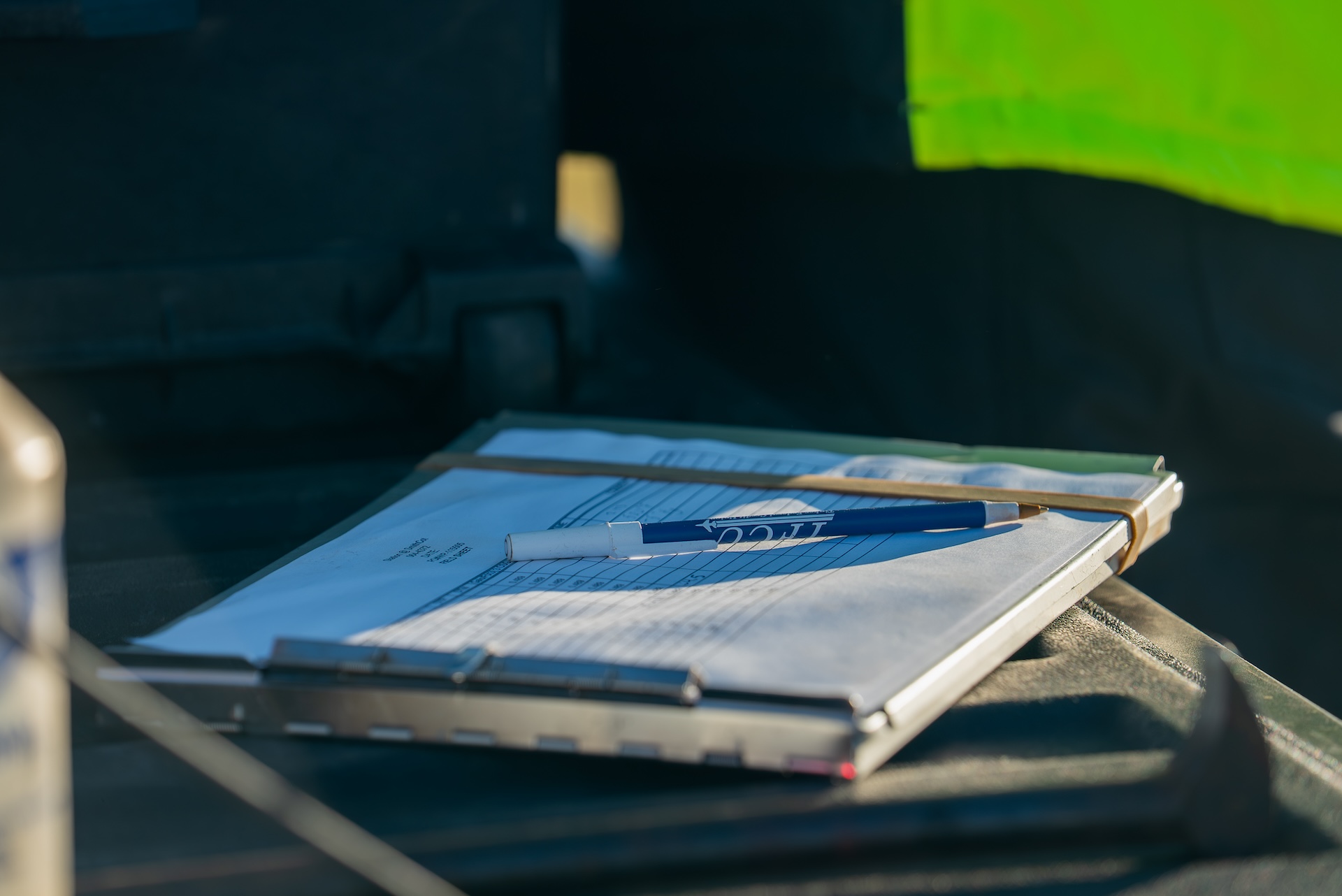
Once a release is confirmed, a licensed environmental consultant conducts a site assessment to define the extent of the contamination. This includes soil borings, groundwater sampling, and laboratory analysis. From there, a Corrective Action Plan is developed and submitted to the appropriate regulatory agency, outlining the specific remediation methods that will be used to restore the site to acceptable standards. UST remediation oklahoma projects are closely regulated, and all work must be performed and documented according to OCC guidelines to qualify for cost recovery through the Oklahoma Petroleum Storage Tank Indemnity Fund (OPSTIF).
Key Phases of the UST Remediation Process
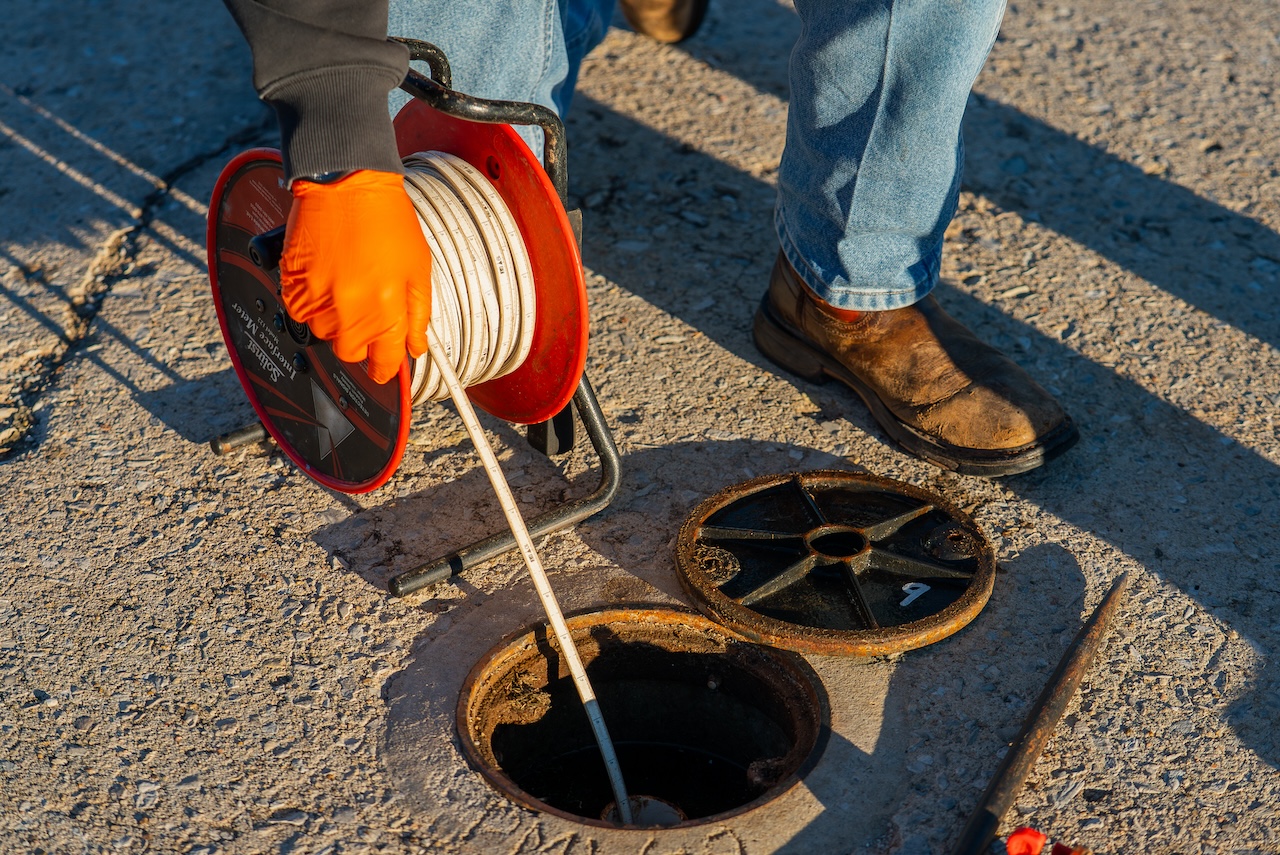
Site Assessment and Investigation: Before any cleanup can begin, the scope and severity of contamination must be fully understood. Environmental professionals use direct-push technology, monitoring wells, and soil sampling to map the contamination plume and identify the most sensitive receptors at risk.
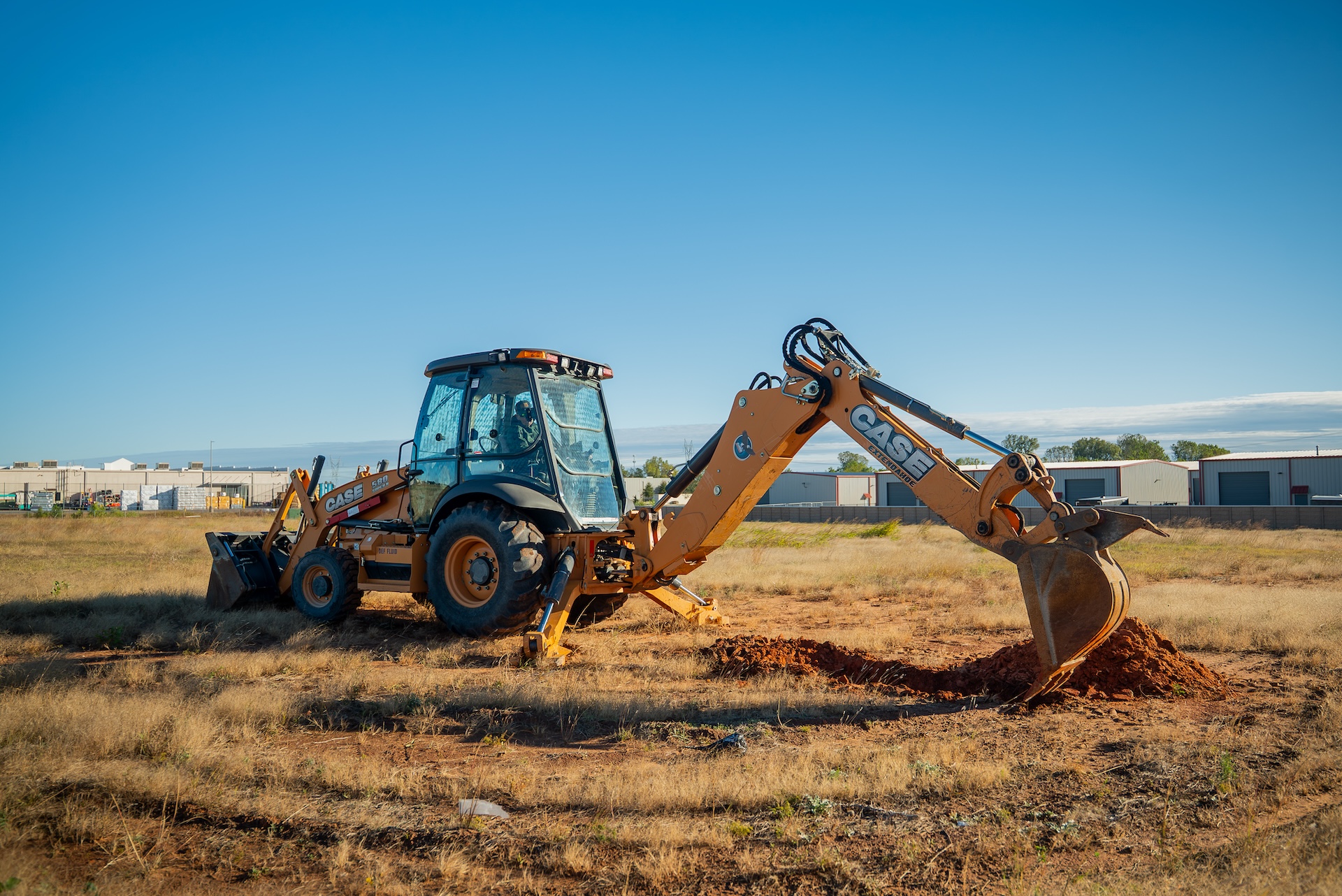
Tank Removal or Closure: Depending on the situation, the leaking tank may be removed from the ground or closed in place according to underground storage tank regulations set forth by the OCC and EPA. Proper tank closure procedures are mandatory and must be documented with a closure report.
Soil and Groundwater Treatment: Contaminated soil is excavated where feasible, and groundwater treatment systems — such as dual-phase extraction or in-situ chemical injection — are deployed to address dissolved-phase contaminants. The selection of treatment methods depends on site geology, contaminant types, and proximity to water supply wells.
Long-Term Monitoring: Many UST remediation projects require an extended period of groundwater monitoring to verify that contaminant concentrations are declining and that the site is trending toward regulatory closure. Monitoring wells are sampled on a regular schedule and data is reported to the OCC.
Why UST Remediation Is Critical
The importance of timely underground storage tank inspection and remediation cannot be overstated. Contamination left unaddressed can migrate off-site, impact neighboring properties, and reach drinking water sources — dramatically expanding liability for the responsible party. In Oklahoma, tank owners who receive a release determination letter from the OCC are required by law to initiate corrective action within specified timeframes. Failure to comply can result in escalating penalties, loss of operating permits, and personal financial liability.
Beyond regulatory compliance, proactive remediation protects property value. Sites with unresolved contamination are nearly impossible to sell, refinance, or redevelop. Resolving a UST release through a properly managed remediation program not only satisfies regulatory requirements but restores the marketability and future potential of the property.
It is also worth noting that underground storage tank installation of new or replacement tanks must follow strict design and permitting standards to prevent future releases. Pairing compliant installation practices with routine inspections and leak detection monitoring is the most effective strategy for avoiding the need for costly remediation down the road.
Partner With Oklahoma's UST Remediation Experts
The Phoenix Group has extensive experience guiding Oklahoma tank owners through every phase of the UST remediation process — from initial site assessment through regulatory closure. Our team is well-versed in OCC requirements, OPSTIF reimbursement procedures, and the technical strategies that lead to efficient, cost-effective cleanups. If you have received a violation letter, suspect a release, or simply want to understand your compliance obligations, we are here to help. Contact The Phoenix Group today and let us bring clarity, expertise, and results to your UST remediation project.