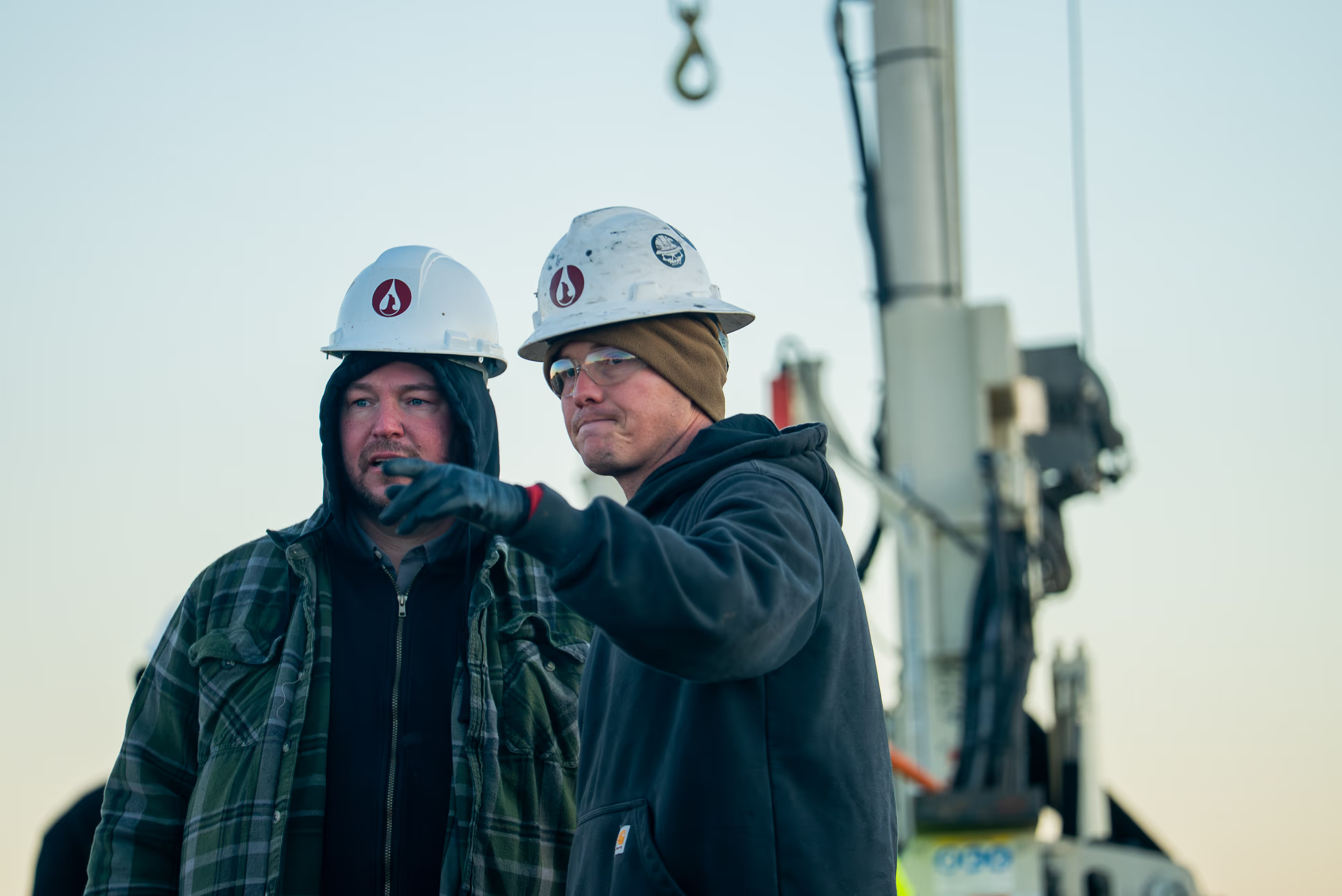
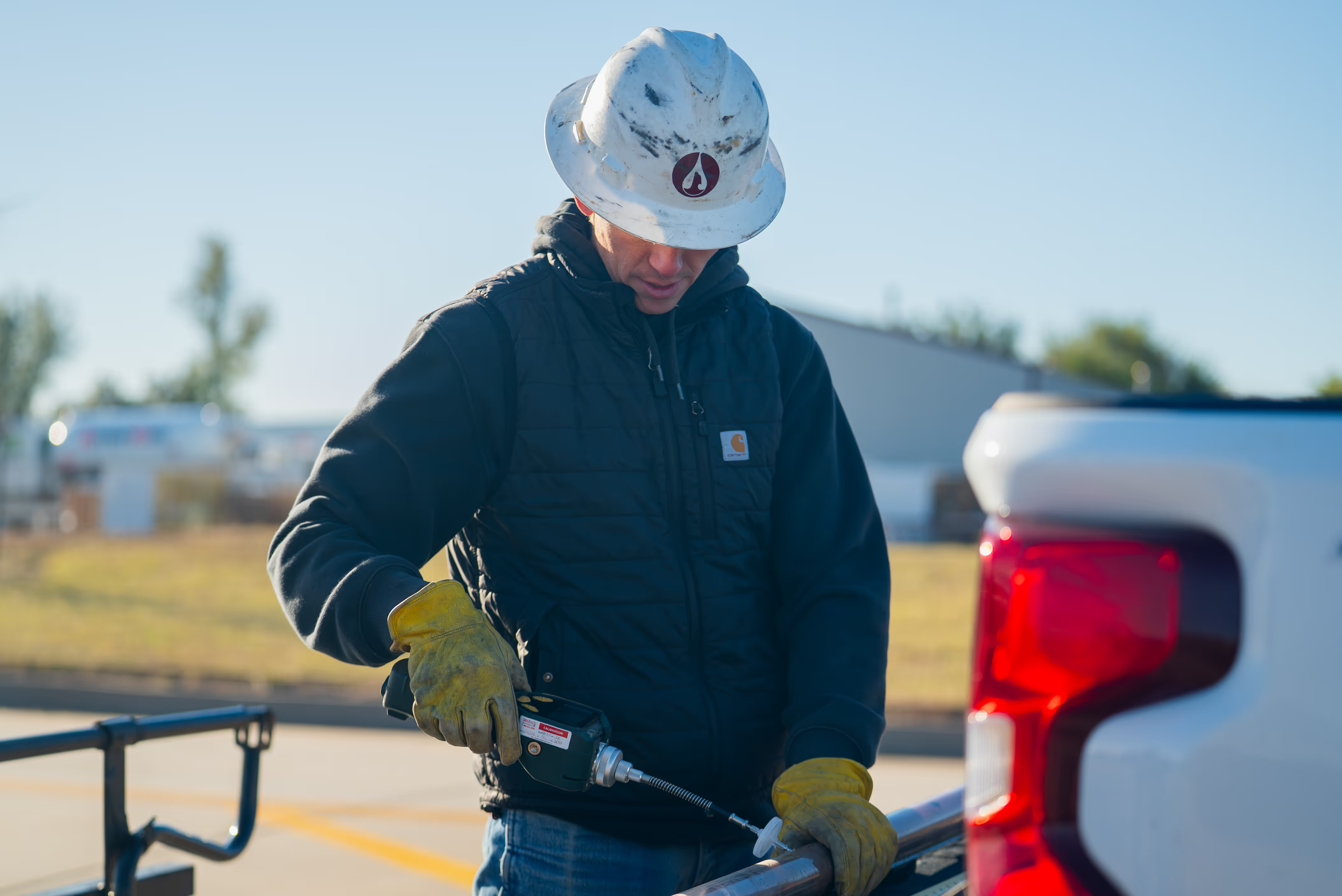
Team Using Data Tools To Create A Clear Site Picture In Oklahoma

Site Conceptualization In Oklahoma

Clear insight into how a site is truly behaving.

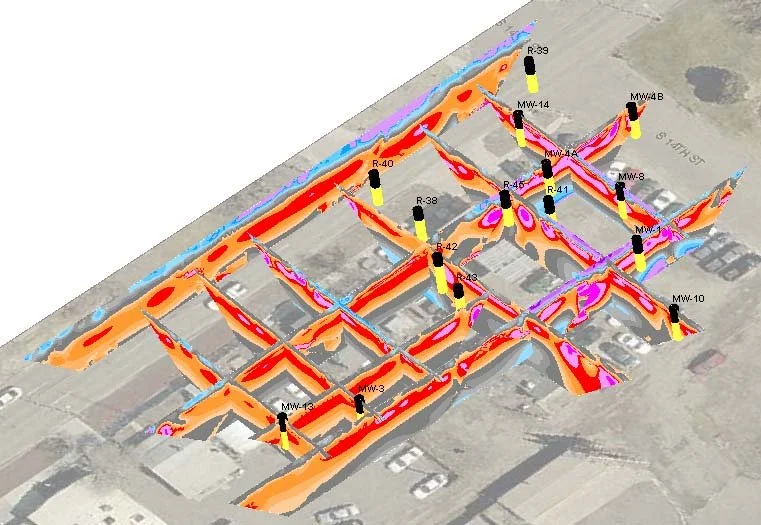
Site Conceptualization Model Reflecting Real Site Conditions In Oklahoma

Site Conceptualization In Oklahoma

Before a remediation plan can work, you need to understand what the site is actually doing. That means knowing where contamination has traveled, what the subsurface geology looks like, how groundwater is moving, and what conditions are influencing the cleanup. Site conceptualization is how that understanding gets built.

Site conceptualization at The Phoenix Group combines soil and groundwater chemistry, hydraulic gradient information, electrical conductivity data, and geophysical tools including ground-penetrating radar and electrical resistivity. Each dataset contributes to a conceptual site model that reflects the real conditions of this specific location, not a generic template pulled from a similar site.

With the model in place, we design a remedial action plan built to match. It defines where treatment should be focused, which methods are most appropriate given the site's geology and contamination distribution, and how the work should be sequenced. A well-built site conceptual model also communicates subsurface conditions clearly to OCC and DEQ regulators, which speeds review and keeps the project moving forward.

One thing that often gets overlooked in site work is how much time and money are spent correcting for a poor initial understanding of the site. Remediation systems get installed in the wrong locations, monitoring wells miss the plume, and cleanup timelines stretch out because the early assumptions didn't hold. A thorough site conceptualization process is how you avoid that. When you understand the site's geology, hydrology, and contamination distribution before committing to a remedy, the work that follows is more targeted and more efficient. We've seen firsthand how much difference a well-built conceptual site model makes on a project's overall timeline and cost.

Every corrective action plan we prepare is backed by a site conceptual model that reflects actual field conditions. That's not just good practice; it's the most reliable way to make sure the proposed remedy will actually work.
Show More
YOUR QUESTIONS ANSWERED

FREQUENTLY ASKED Questions

Environmental Remediation Specialist Oklahoma
01
What is a site conceptual model (SCM), and why is it a critical step in environmental remediation in Oklahoma?

A site conceptual model is a structured representation of the site's physical, chemical, and biological conditions, including where contaminants came from, where they are now, how they are moving, and who or what could be exposed. It is critical because it forms the basis for all remediation decisions. A poorly understood site leads to misplaced treatment, wasted resources, and projects that don't close. A well-built model points the work in the right direction from the start.

01
What field data, including soil chemistry, groundwater levels, and geophysical results, go into building a site conceptual model?

A complete SCM draws from multiple data sources: soil boring logs and laboratory results that define the contamination profile, groundwater level measurements that establish the hydraulic gradient and flow direction, chemical data from monitoring wells that track the dissolved plume, and geophysical survey results that characterize subsurface lithology and conductivity. All of it gets integrated into a unified picture of what the site looks like below the surface.

01
What geophysical tools, such as ground-penetrating radar or electrical resistivity, are used during site conceptualization in Oklahoma?

We use ground-penetrating radar (GPR) to identify buried structures, utilities, and stratigraphy near the surface, and electrical resistivity surveys to characterize how soil and rock properties change with depth and lateral distance. Resistivity is particularly useful for mapping lithologic boundaries and identifying zones where contamination may be accumulating. Both tools provide non-invasive data that supplements and validates what is found in soil borings and monitoring wells.

01
How does a site conceptual model guide the selection and design of a remedial action plan?

The SCM defines the source zone, the migration pathways, and the potential receptors, which are the three elements that determine the remediation strategy. Once you know where the contamination is concentrated, how it is moving, and what it might affect, you can select the technologies best suited to each zone and sequence them in a logical order. Without a sound SCM, remediation design is largely guesswork.

01
At what stage of a remediation project should a site conceptual model be developed or updated?

An initial SCM is typically developed during the site investigation phase before remediation begins. It should be updated whenever significant new data is collected, such as after a Phase II ESA, a round of direct push boring, or a series of monitoring events that reveal new information about plume behavior. At complex sites, the SCM is a living document that evolves as the project progresses.

01
How does site conceptualization help communicate subsurface conditions to Oklahoma regulators, including the OCC or DEQ?

Regulators need to understand why you're proposing a specific remedial approach, and a clear site conceptual model makes that case. It documents the data behind the decisions, presents the site conditions in a format that agency staff can evaluate, and justifies the cleanup strategy you're recommending. Sites with well-supported SCMs typically move through agency review more efficiently than those with vague or incomplete site characterization.

01
How does site conceptualization differ from a standard environmental site assessment or Phase 2 ESA?

A Phase 1 or Phase 2 ESA identifies whether contamination is present and at what concentrations. Site conceptualization goes a step further by explaining how the contamination is behaving, where it is going, and what it will take to address it. ESAs are typically required for property transactions and regulatory compliance. Site conceptualization is the technical foundation for designing and implementing a cleanup.

Environmental Services Consultant Oklahoma
Contact Us

We are always happy to help