Direct Push Boring & Drilling Oklahoma

Direct Push Boring In Oklahoma

Fast, accurate sampling for environmental investigations.

Geoprobe Direct Push Drilling Oklahoma

Efficient Access to Essential Site Information

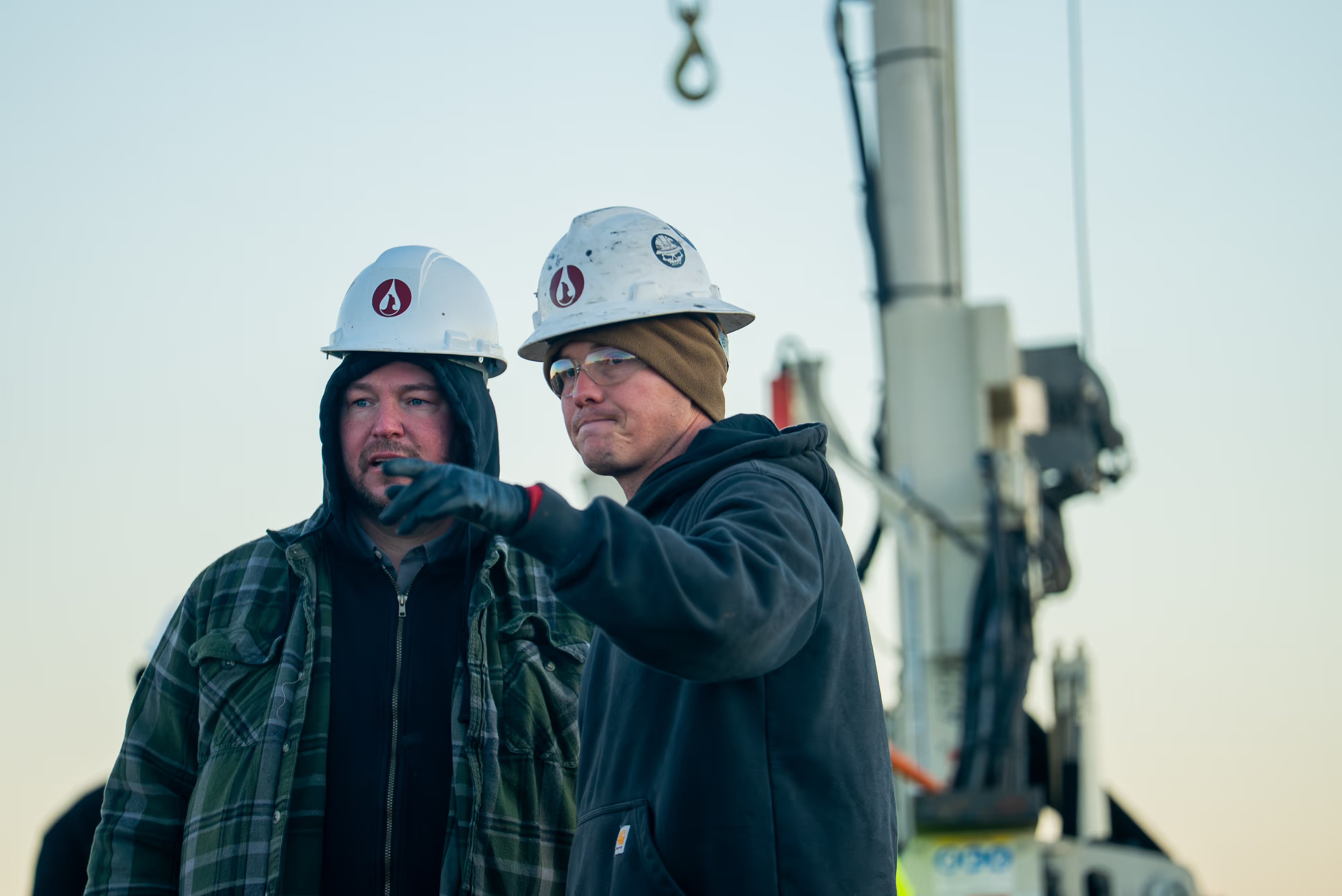
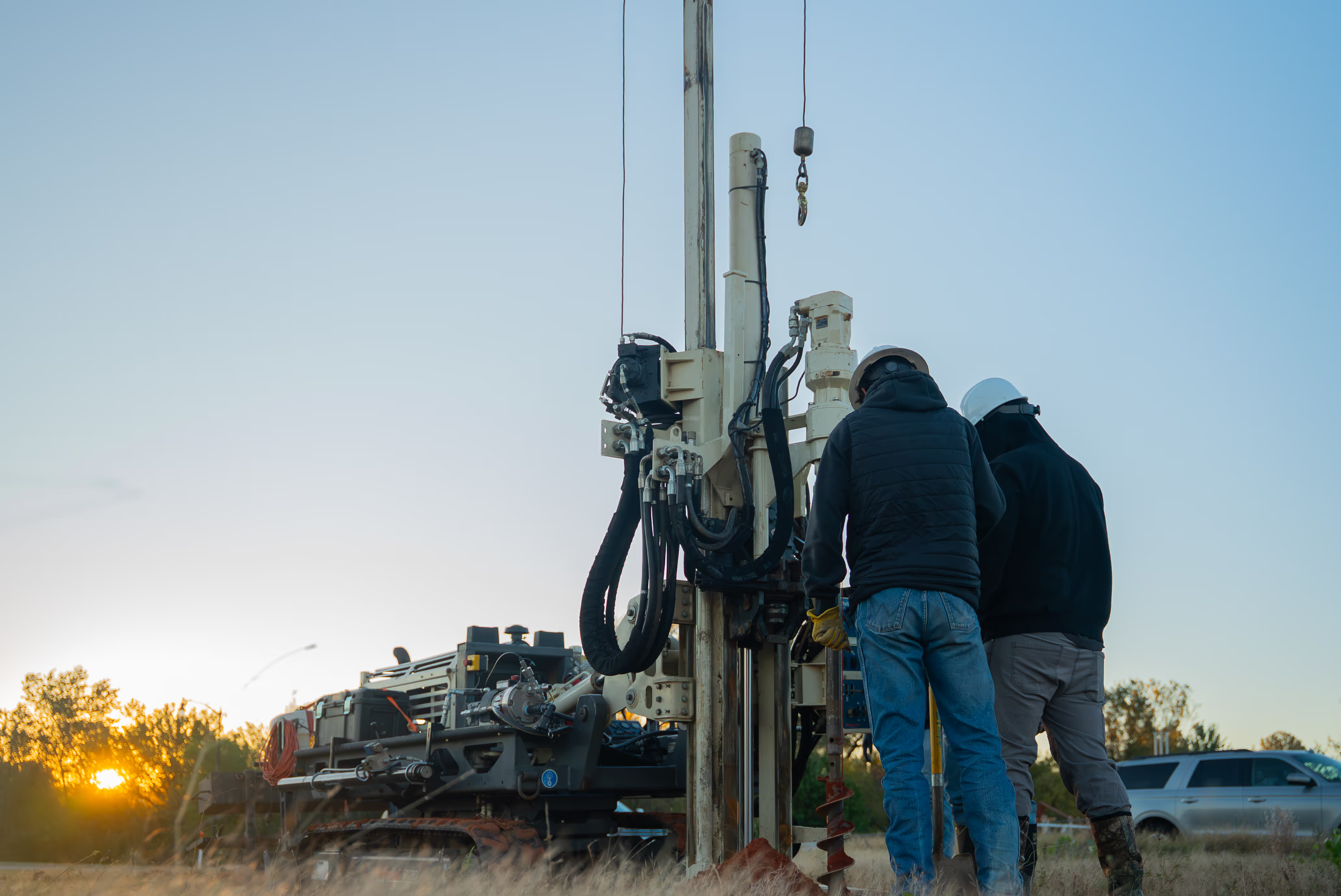
Knowing what's in the ground requires getting to it cleanly and quickly. Direct push boring is one of the most effective methods for collecting soil and groundwater samples during environmental investigations, and The Phoenix Group uses a track-mounted Geoprobe capable of reaching multiple depths in a single mobilization.

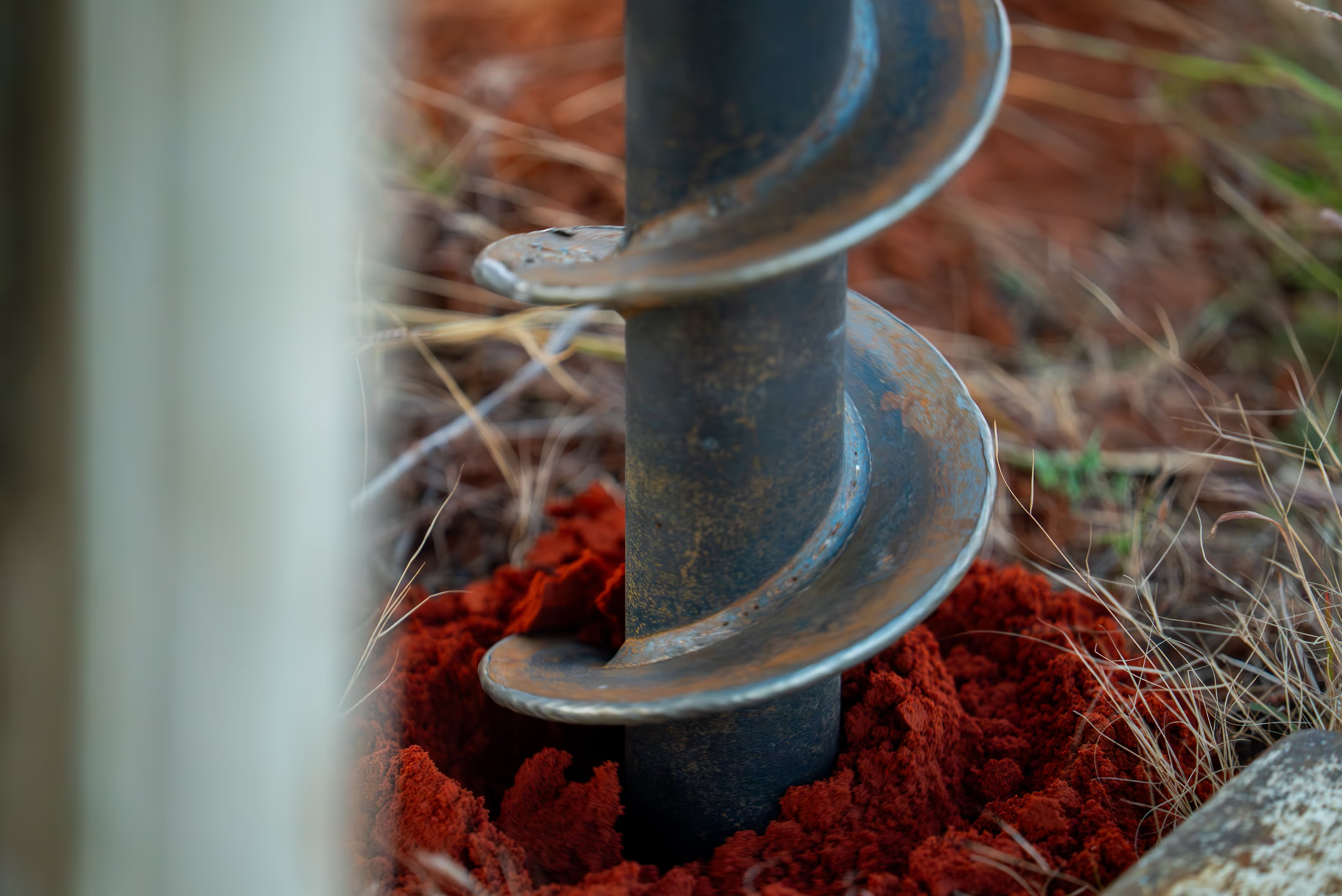
Geoprobe direct push drilling gives us four distinct drilling approaches: direct push continuous sampling, discrete sampling, solid stem auger, and hollow stem auger. Each is a different methodology for collecting soil data, and each is suited to different site conditions and project objectives. Having all four available means we match the method to the situation rather than forcing the site to fit the equipment.

Direct push soil sampling is fast. It can reach multiple target depths in a single day, and it generates less waste and site disturbance than conventional rotary drilling. The results are well-suited to both new investigations and ongoing remediation work. Each sample is clearly recorded and labeled, and the data collected through direct push work frequently becomes the foundation for the next phase of the project, whether that means additional investigation, a remedial design, or a regulatory submittal.

One of the practical advantages of direct push boring is flexibility. If initial results suggest contamination extends further than expected, we can move quickly to additional locations without remobilizing a separate drill rig. That kind of responsiveness keeps investigations from stalling when the site turns out to be more complex than the original scope anticipated. Our track-mounted Geoprobe accesses areas that larger equipment can't reach, including tight lots, low-clearance structures, and areas with limited surface access. Whatever the site layout, we work around the constraints and focus on collecting the data that actually matters for the project.
Show More
YOUR QUESTIONS ANSWERED

FREQUENTLY ASKED Questions

Environmental Remediation Specialist Oklahoma
01
What is direct push boring (DPB), and how is it used in environmental site investigations in Oklahoma?

Direct push boring is a drilling method that advances tooling into the subsurface using hydraulic pressure and percussion rather than rotating a drill bit. It is used to collect soil and groundwater samples at specific depths during environmental investigations. The method is fast, minimally disruptive, and well-suited to the types of shallow to moderate-depth investigations common at petroleum release sites in Oklahoma.

01
What types of soil samples can be collected using Geoprobe direct push technology?

With our track-mounted Geoprobe, we can collect continuous cores that show the full soil profile from surface to target depth, discrete grab samples from specific intervals, and split-spoon samples using solid or hollow stem auger configurations. Sample type is selected based on what the project requires, whether that is a detailed stratigraphy log, a targeted contaminant analysis, or a combination of both.

01
What is the difference between continuous sampling, discrete sampling, solid stem auger, and hollow stem auger drilling methods?

Continuous sampling collects an unbroken core of soil from the surface to the target depth, giving a complete view of stratigraphy. Discrete sampling retrieves a sample from a specific depth interval without disturbing the surrounding material. A solid stem auger is used in stable soils and allows the boring to stay open for well installation or deeper sampling. A hollow stem auger keeps the bore open via a hollow center, making it easier to install monitoring wells in challenging or caving formations. Each method produces different information and is appropriate in different site conditions.

01
How does direct push boring compare to conventional rotary drilling for environmental investigations?

Direct push is generally faster, less expensive per location, and generates less investigation-derived waste than rotary drilling. It is well-suited to shallow and moderate-depth work in unconsolidated materials, which covers most petroleum release sites in Oklahoma. Rotary drilling is typically reserved for greater depths, harder formations, or applications requiring larger-diameter completions. We use both and select the appropriate method based on site conditions.

01
Can direct push technology be used to collect both soil and groundwater samples at the same location?

Yes. Direct push groundwater sampling tools allow us to collect discrete groundwater samples from specific depth intervals within the same boring used for soil sampling. This means we can characterize both soil and groundwater contamination at a single location in a single mobilization, which reduces cost and keeps the investigation moving efficiently.

01
In what site conditions or project phases is direct push boring the preferred drilling method in Oklahoma?

Direct push boring is the preferred method for most Phase II ESA investigations, initial site characterization at petroleum release sites, and targeted sampling during remediation monitoring. It works best in unconsolidated soils and is particularly effective when the project calls for multiple sample locations across a site in a short time window. It is less suited to very hard or rocky formations.

01
How is direct push boring data recorded and reported to meet Oklahoma regulatory requirements?

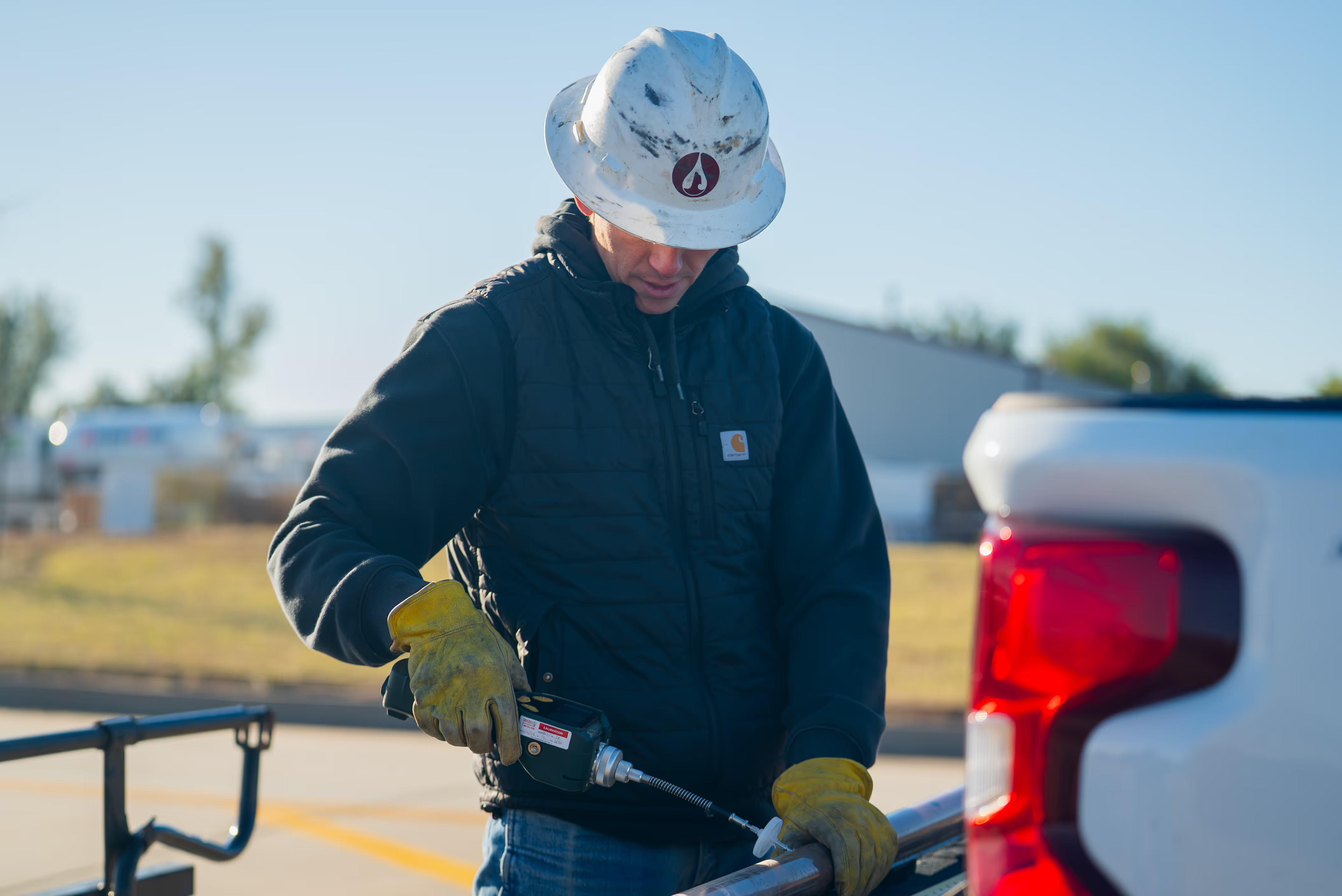
All borings are logged with field descriptions of soil type, color, and odor, along with headspace screening data from a photoionization detector (PID). Sample collection and chain of custody are documented to laboratory standards. The data is compiled into a boring log report that follows OCC and DEQ reporting conventions, including sample locations, depths, analytical results, and any field observations relevant to the site condition.

Environmental Services Consultant Oklahoma
Contact Us

We are always happy to help