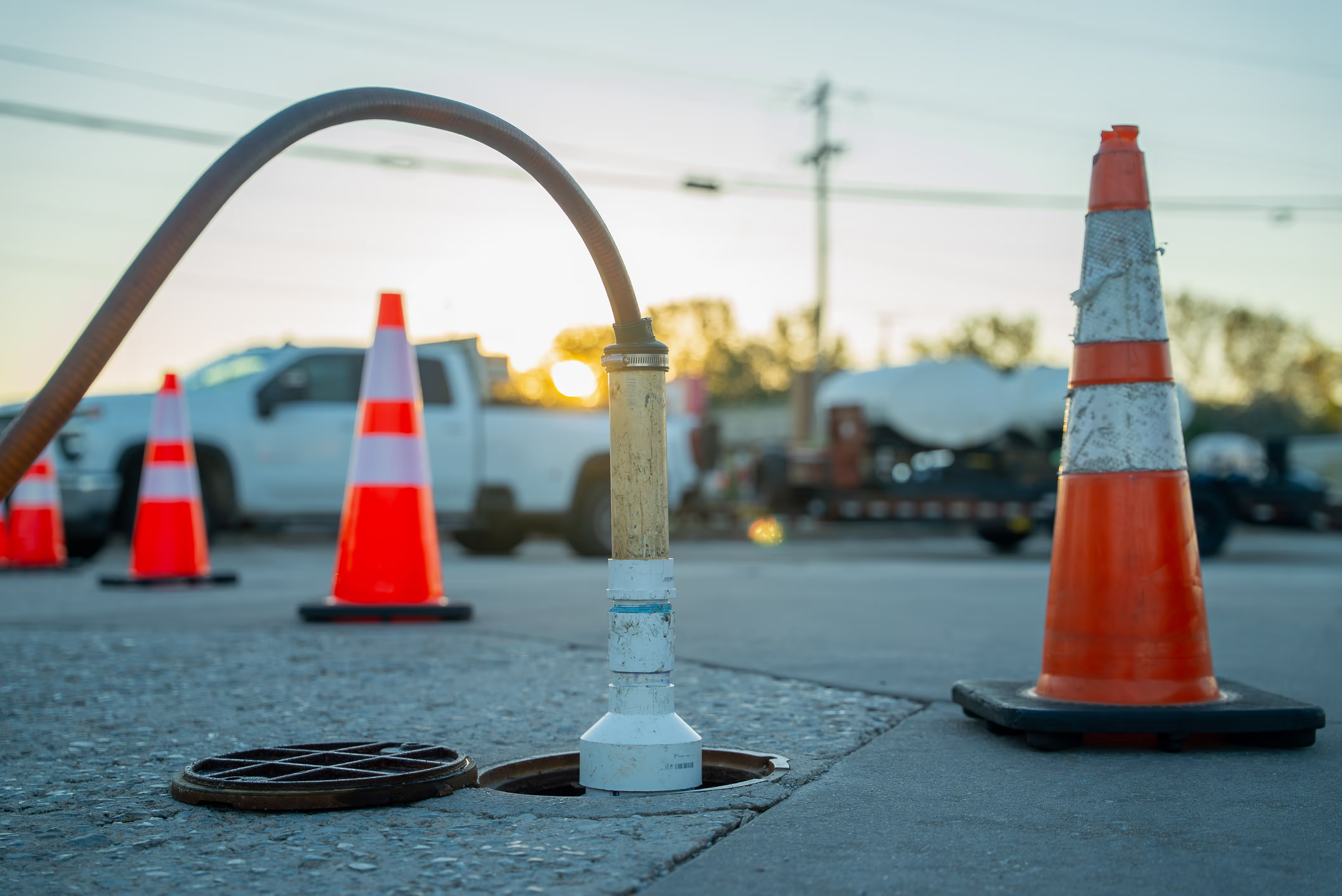
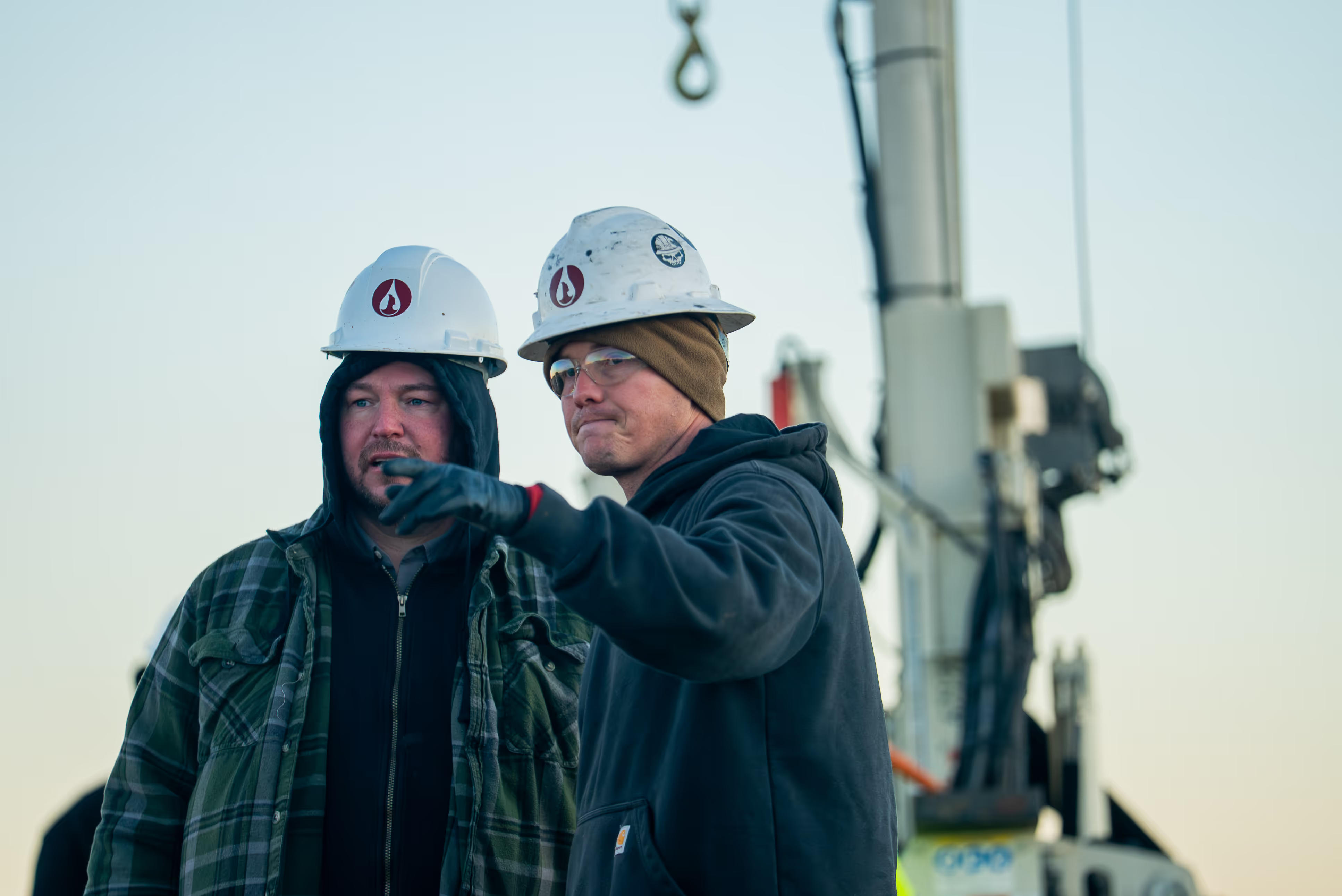
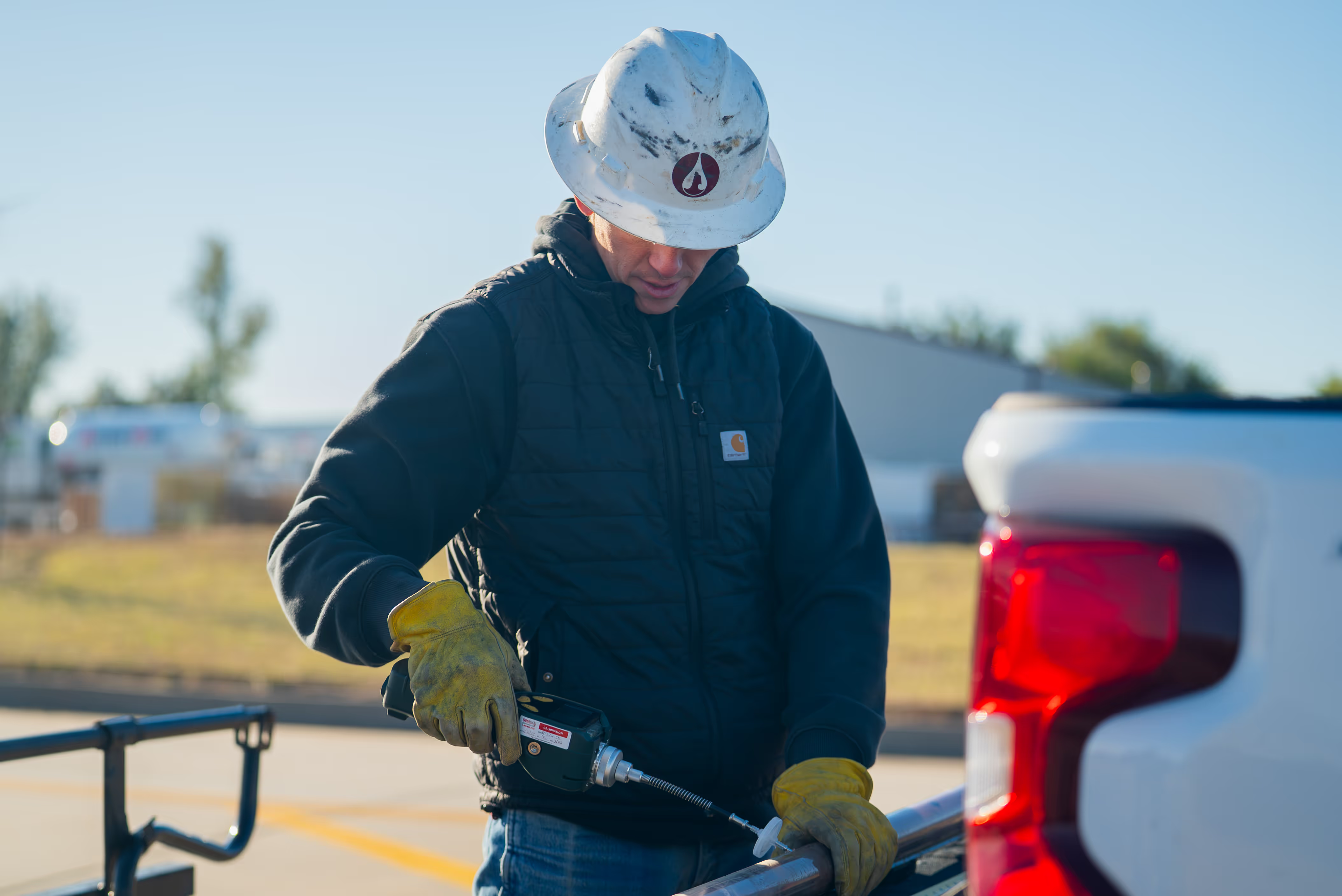
When free product is present in the subsurface, removing it before it spreads further is the priority. High vacuum extraction applies strong negative pressure to monitoring wells, pulling free product and product vapors out of the subsurface and to the surface, where they can be captured and properly disposed of. At The Phoenix Group, each extraction event is planned around the specific conditions at the site.
Dual-phase extraction works by applying vacuum simultaneously to both the saturated and unsaturated zones. This recovers groundwater carrying dissolved contamination and vapors from the soil above the water table in a single operation. In many cases, in-situ chemical injection is used alongside dual-phase extraction to increase treatment efficiency or improve the volume of free product removed. The two methods complement each other well.
Throughout the process, our team provides clear communication about what the extraction data shows and what it means for the project. The information gathered during high vacuum extraction events guides the next steps in remediation, whether that means scheduling additional treatment or evaluating whether the site is ready to transition toward closure.
Not every extraction event produces the same results, and that variability is itself useful data. When free product recovery drops significantly between events, it suggests the recoverable phase is being depleted, and the project may be ready to shift toward a different treatment approach. When recovery remains high, it confirms that additional high vacuum extraction is still warranted. We track those trends across events and adjust recommendations accordingly. Property owners aren't left guessing about where things stand. After each extraction event, we provide a clear summary of what was recovered, what conditions looked like in the field, and what we recommend as the next step.