Some contamination can't be dug out or pumped away. What remains in the soil and groundwater after excavation and extraction requires a different approach. In-situ chemical injection delivers treatment amendments directly to the subsurface, addressing contamination where it sits without significant disturbance to the property or the operations running on it.
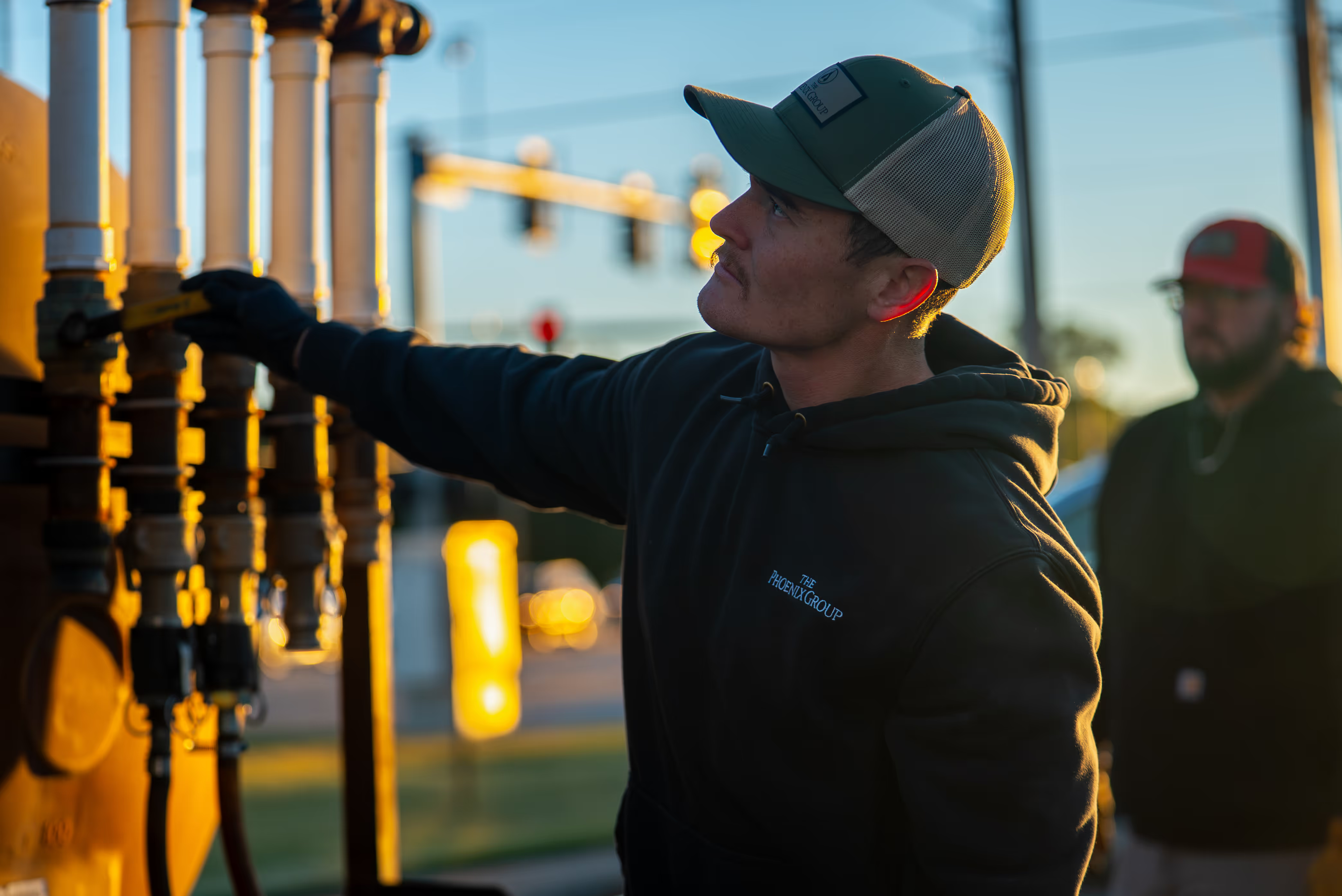
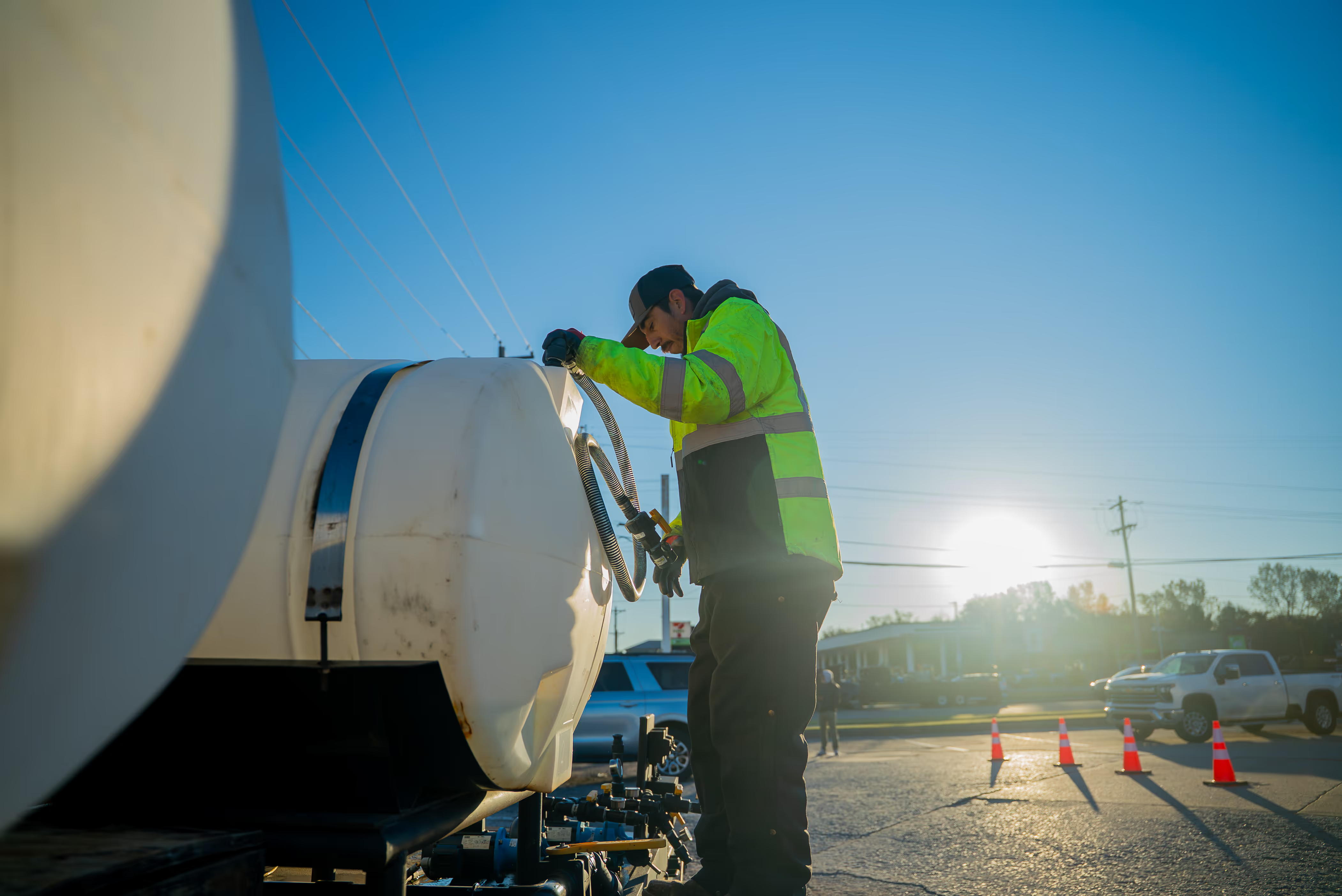
In-situ chemical injection works by mixing and injecting chemical amendments through a mobile unit connected to direct push points or existing monitoring wells. Before any injection begins, we assess site conditions to confirm that the subsurface chemistry, permeability, and contamination distribution are suitable for this approach. When the conditions are right, chemical injection remediation becomes one of the most direct paths to treatment.
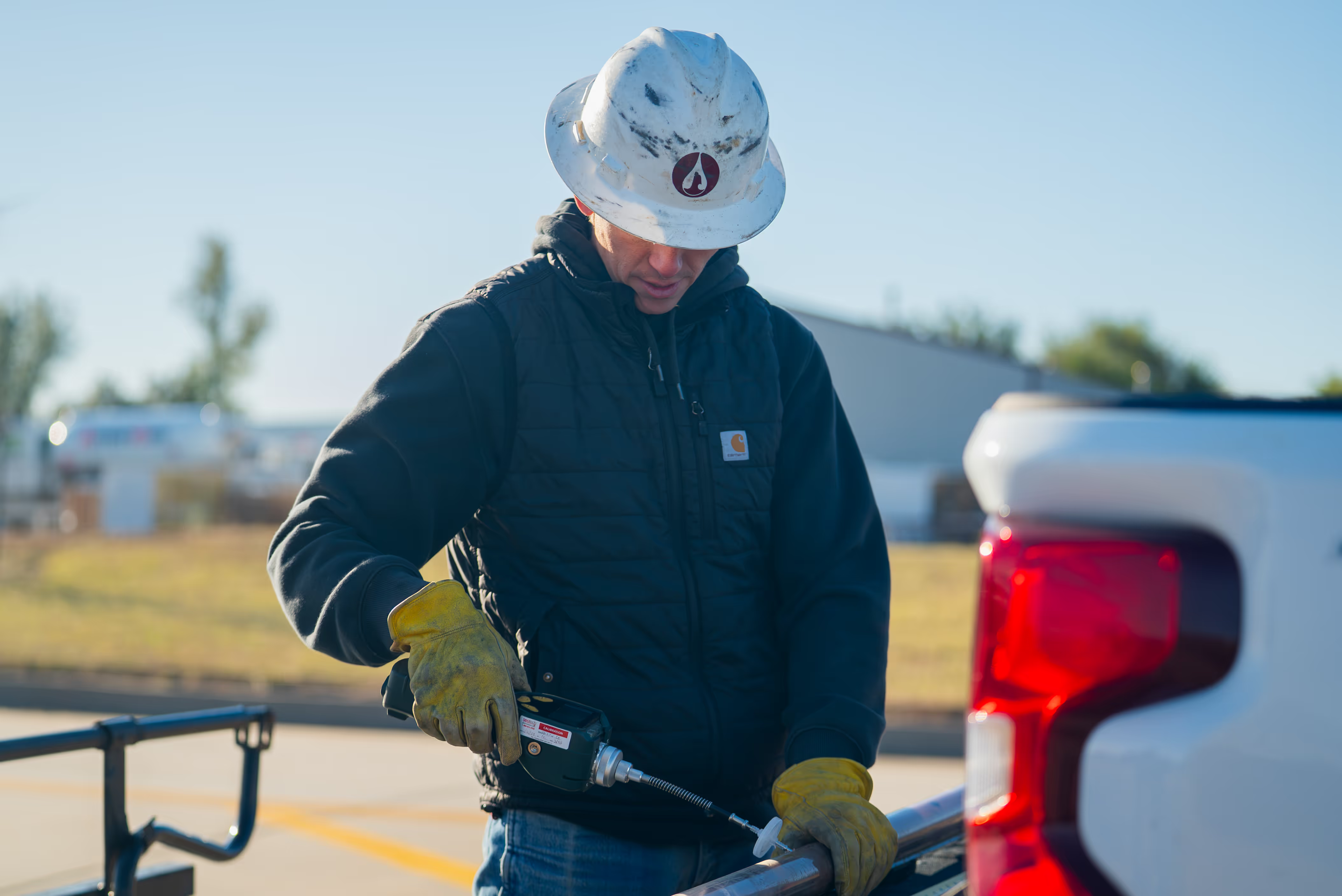
After injection, we track the site's response through follow-up sampling and transparent reporting. The data shows whether treatment is progressing as planned, whether another round of in-situ injection is needed, or whether conditions have changed. In-situ injection can also be used alongside dual-phase extraction for sites where both free product removal and chemical treatment are needed at the same time.
One of the things that sets in-situ chemical injection apart from surface-based cleanup methods is that it can target contamination at depth that excavation simply can't reach. Once petroleum products or other organics have migrated below a building foundation, a paved surface, or utility infrastructure, digging becomes impractical. Injection reaches those areas through small-diameter points that don't require demolition or major site disruption. It's also repeatable. If concentrations rebound after an initial treatment round, a second injection event can be conducted using the same access points or adjusted locations based on what the monitoring data shows. The process is designed to be responsive to what the site is actually telling you.
Chemical injection remediation works best when it's part of a clearly planned strategy, not a last resort after other methods haven't delivered. When we assess a site as a good candidate early in the project, injection can often shorten the overall cleanup timeline considerably.