Groundwater contamination is one of the most serious environmental challenges facing Oklahoma property owners, fuel operators, and industrial site managers today. Once a contaminant enters the subsurface water supply, it can spread silently and rapidly — threatening public health, damaging property values, and triggering significant regulatory liability. Fortunately, modern environmental science has produced a powerful toolkit of remediation techniques designed to address contamination at every stage and scale. Understanding these methods helps property owners and environmental managers make informed decisions about how to protect their sites, their communities, and their bottom line.
Why Groundwater Remediation Matters
Groundwater serves as a primary drinking water source for millions of people across Oklahoma and the broader United States. When fuel spills, industrial chemicals, or hazardous waste infiltrate the soil and reach the water table, the consequences can be far-reaching and expensive to reverse. Regulatory agencies including the Oklahoma Corporation Commission (OCC) and the EPA impose strict cleanup standards on responsible parties — and failing to act quickly often compounds both the contamination and the cost. Engaging qualified professionals for groundwater remediation oklahoma sites is not just a best practice; it is frequently a legal obligation.
Common Groundwater Remediation Techniques
Environmental consultants evaluate each site individually and select remediation strategies based on the type of contaminant, soil geology, depth to groundwater, and proximity to sensitive receptors. The most widely deployed groundwater remediation techniques include:
Pump and Treat: One of the most established methods, pump and treat involves extracting contaminated groundwater from the subsurface, treating it above ground through filtration, chemical oxidation, or activated carbon systems, and then discharging or re-injecting the clean water. This technique is particularly effective for dissolved-phase petroleum hydrocarbons and chlorinated solvents.
In-Situ Chemical Injection: Rather than extracting water, in-situ methods deliver reagents directly into the contaminated zone. Oxidants, reductants, or biological amendments are injected to chemically break down or immobilize contaminants in place. This approach minimizes surface disruption and can dramatically reduce cleanup timelines.
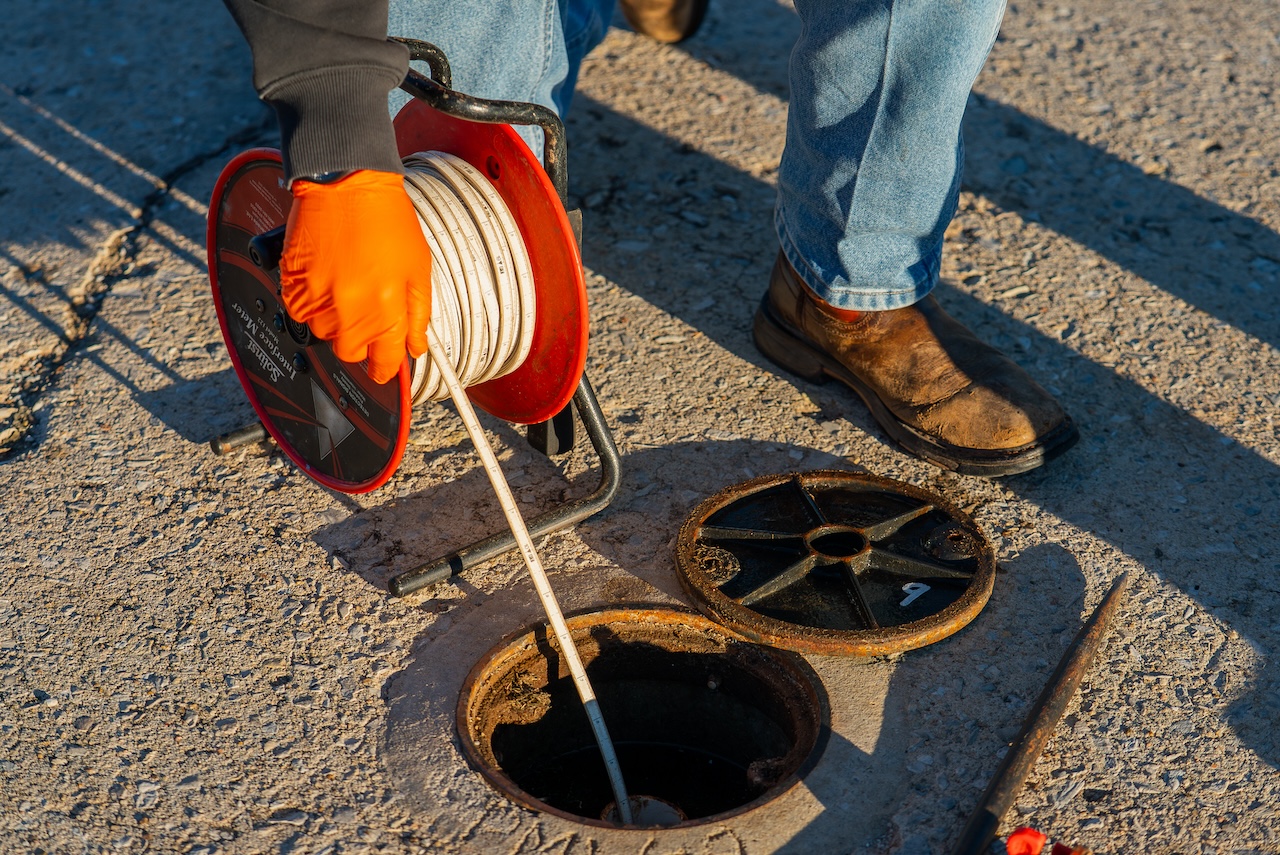
Monitored Natural Attenuation (MNA): In some cases, natural biological and geochemical processes — including biodegradation, dilution, and sorption — are sufficient to reduce contaminant concentrations over time. MNA is typically used as a complement to active remediation and always requires rigorous groundwater monitoring & remediation oklahoma programs to verify progress and protect regulatory standing.
Permeable Reactive Barriers (PRBs): These subsurface installations intercept contaminated groundwater plumes as they move through the aquifer. Reactive materials within the barrier — such as zero-valent iron or organic carbon — neutralize contaminants passively as water flows through. PRBs are a low-maintenance, long-term option for sites with well-defined plume pathways.
Air Sparging and Soil Vapor Extraction: For volatile organic compounds (VOCs) and petroleum hydrocarbons, air sparging injects air into the saturated zone to volatilize contaminants, while soil vapor extraction simultaneously removes the vapors from the unsaturated zone above. Together, these methods accelerate the removal of compounds that resist aqueous treatment.
Selecting the Right Approach for Your Site
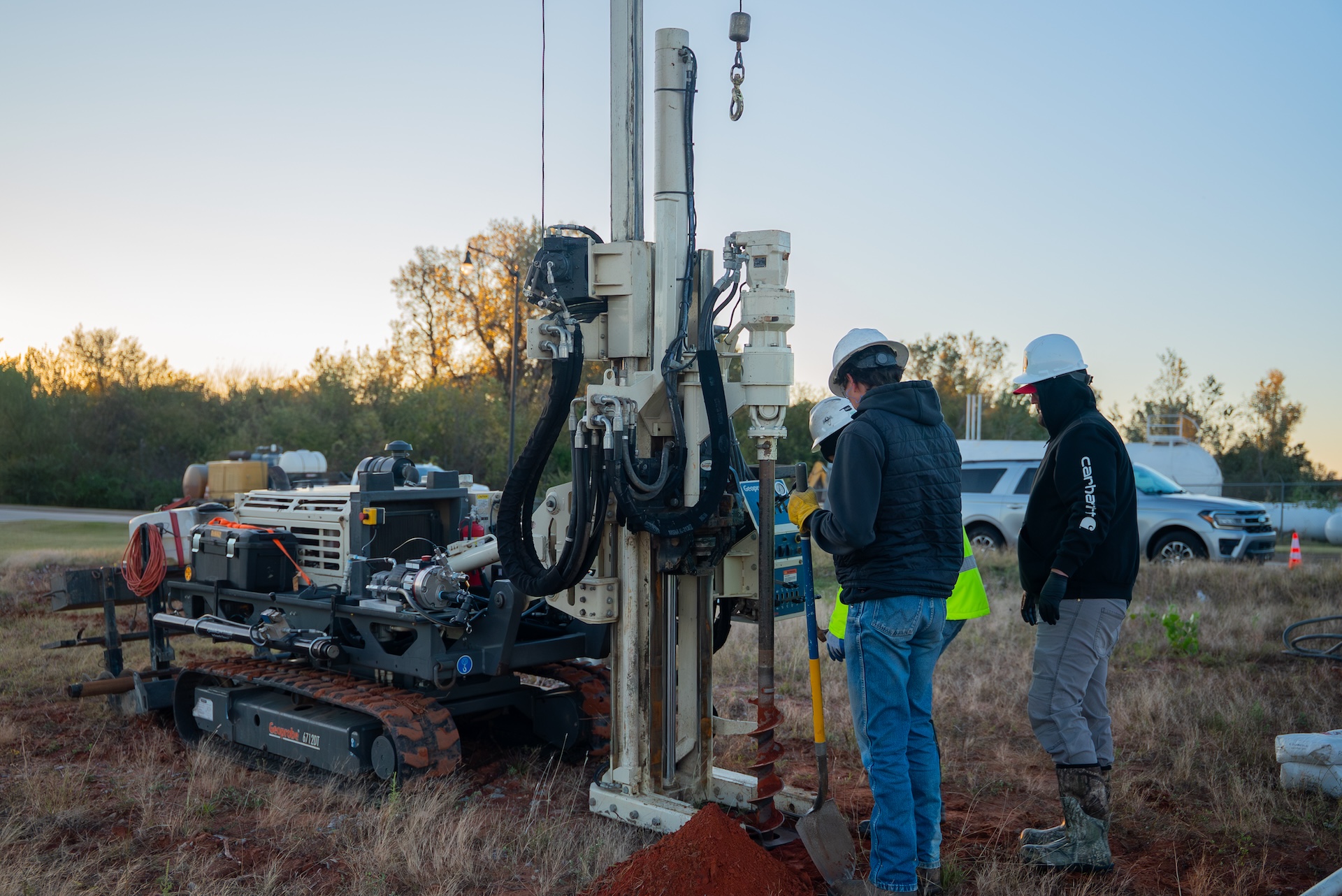
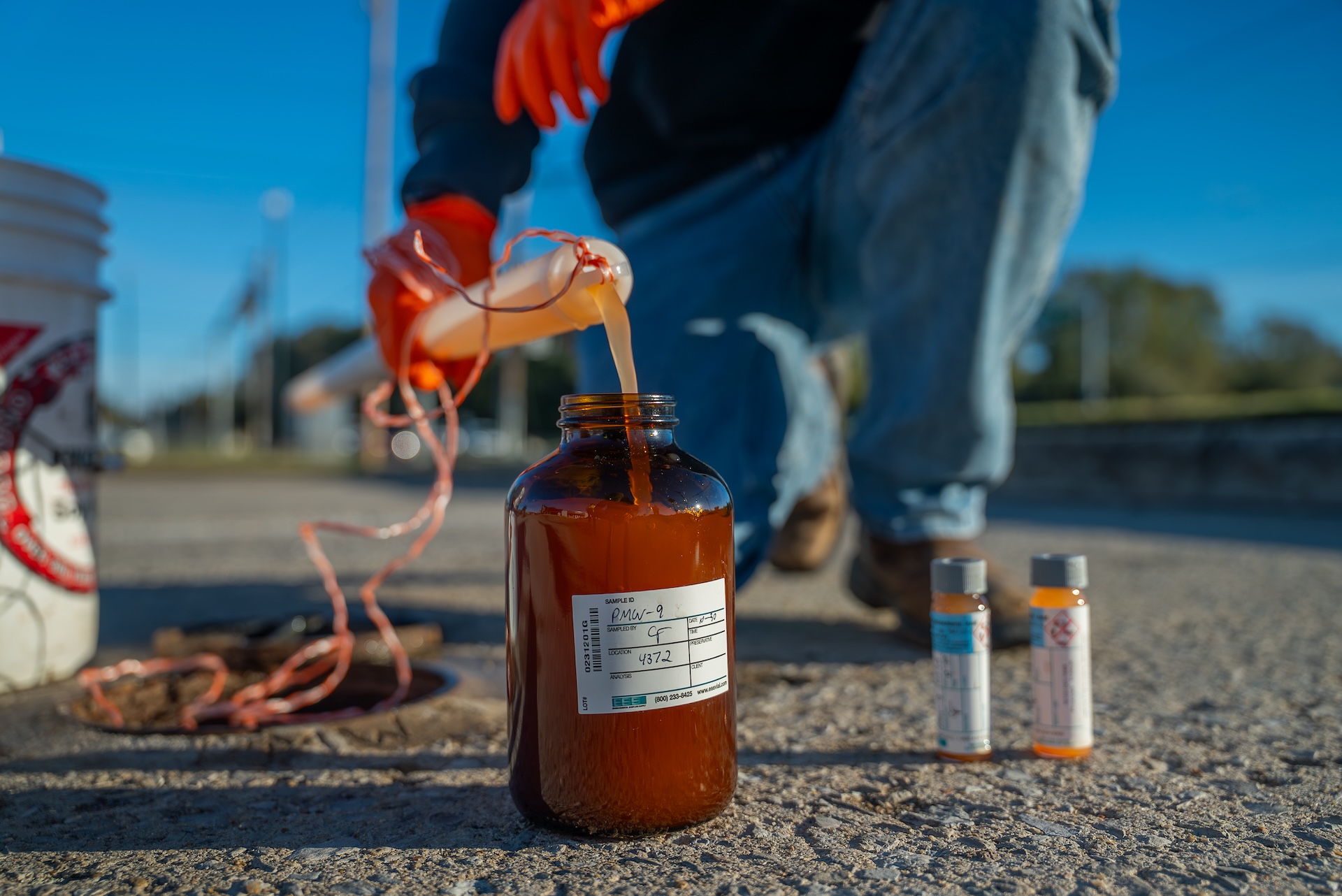
No two contaminated sites are identical. The selection of appropriate groundwater treatment oklahoma strategies depends on a detailed site characterization that includes soil borings, groundwater sampling, geologic cross-sections, and fate-and-transport modeling. A qualified environmental consultant will develop a Corrective Action Plan (CAP) that aligns with OCC requirements, minimizes cost, and sets realistic timeframes for closure. Cutting corners on site assessment almost always leads to regulatory delays, additional sampling rounds, and higher long-term costs.
The Phoenix Group brings deep technical expertise and decades of Oklahoma-specific regulatory experience to every groundwater remediation project. Our team understands the nuances of in-situ treatment, the demands of state agency reporting, and the importance of keeping clients informed at every milestone. Whether your site requires aggressive active remediation or a monitored natural attenuation plan, we have the tools and the knowledge to get you to closure.
Take the First Step Toward a Cleaner Site
If you are dealing with a confirmed release, a Notice of Violation, or a suspected groundwater issue on your property, do not wait. Early intervention consistently leads to faster closures and lower overall remediation costs. Contact The Phoenix Group today to schedule a site consultation and let our experienced environmental professionals develop a remediation strategy built for your specific conditions. We serve clients across Oklahoma and are ready to put our expertise to work for you.