Groundwater Monitoring In Oklahoma For Accurate Sampling And Reporting

Groundwater Monitoring In Oklahoma

Reliable sampling and reporting for informed site decisions.

Groundwater Monitoring Oklahoma

Seeing How a Release Moves Below the Surface

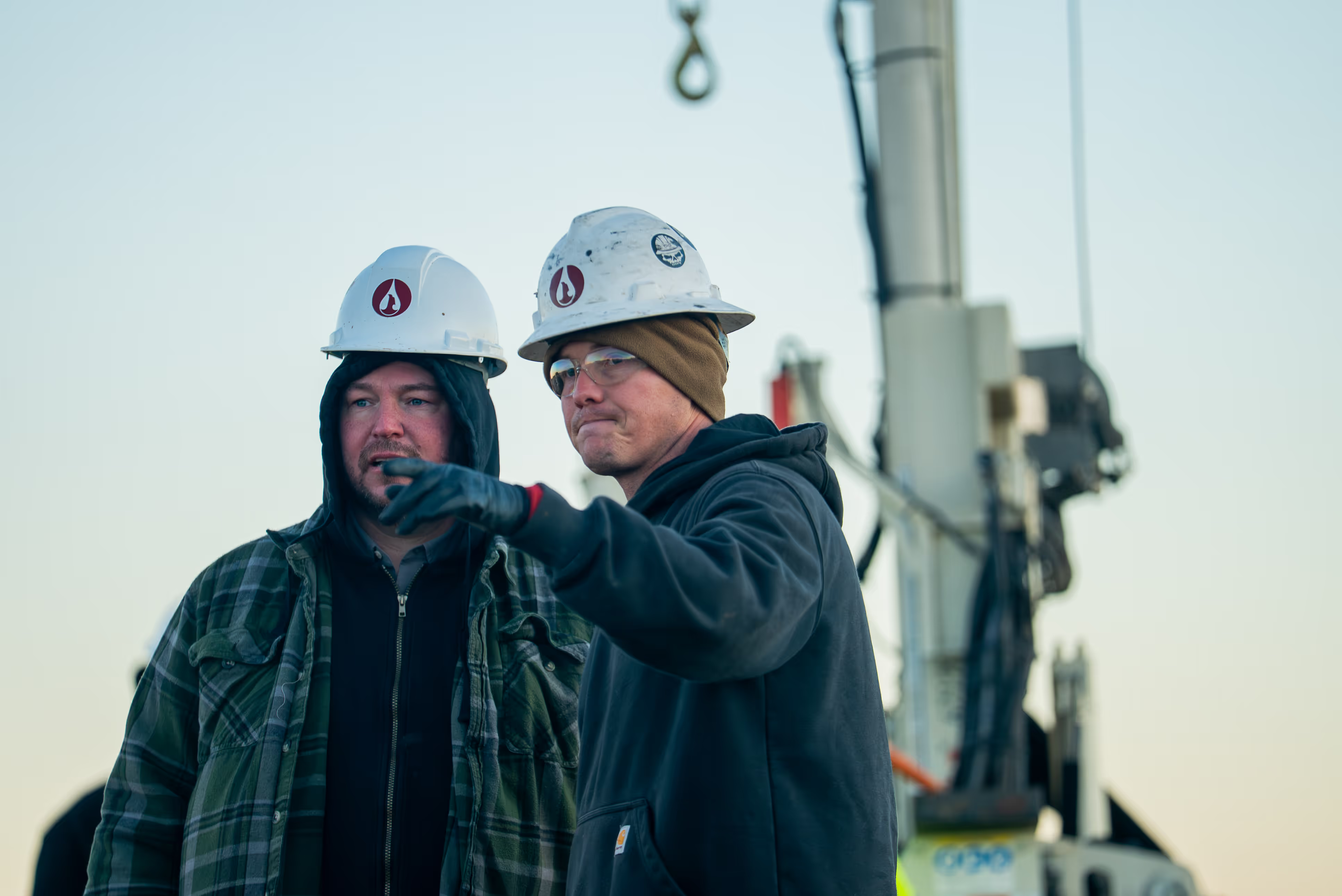
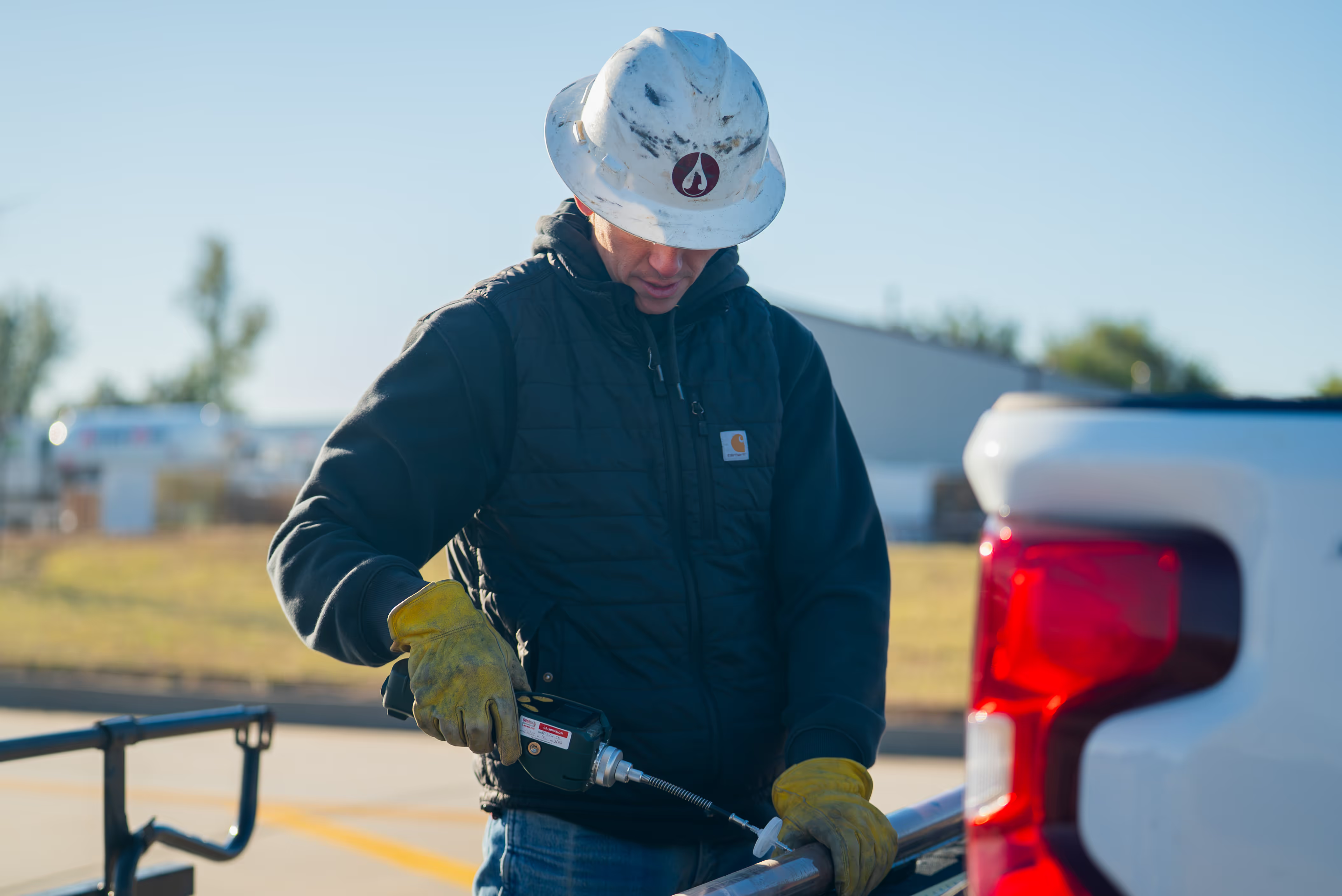
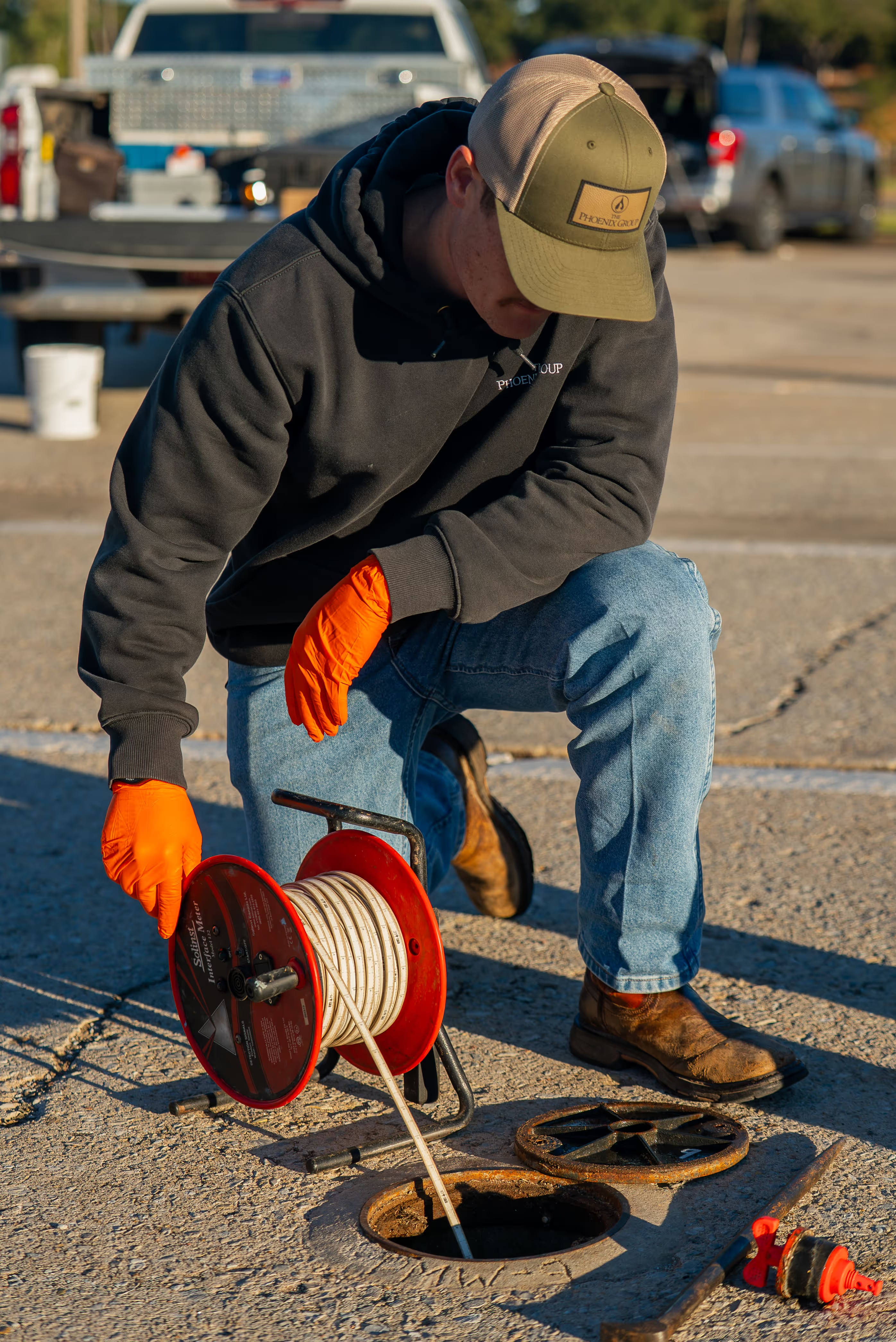
Groundwater contamination doesn't stay in one place. It migrates with the water table, responds to seasonal changes, and reflects what the remediation work is actually accomplishing. Groundwater monitoring is how you track all of it. At The Phoenix Group, our team installs and samples monitoring wells across Oklahoma, carefully measuring water levels, chemistry, and movement with each round of data collection.

Groundwater monitoring services in Oklahoma are most often required at petroleum release sites where a corrective action plan is in place. We collect groundwater samples following OCC and DEQ protocols, and we organize the results so the reporting is straightforward to follow. You'll always know what the data means for your project and what the appropriate next steps are.

Groundwater work can stretch over months or years. That makes data clarity especially important. Our reports are structured to track trends across sampling events, so regulators and property owners can see whether conditions are stabilizing or improving. Whether this is part of a long-term cleanup or an early investigation, the groundwater monitoring data drives the decisions that move the project toward closure.

Groundwater doesn't cooperate with tidy project schedules, and seasonal water table fluctuations can shift what the data shows from one sampling round to the next. Understanding those patterns is part of what makes monitoring useful rather than just routine. Our team reviews the full picture at each sampling event, not just the latest numbers in isolation. When concentrations are holding steady or declining, that tells one story. When something unexpected shows up, we flag it early and work through what it means before it becomes a bigger issue. That kind of ongoing attention is what keeps groundwater monitoring data working for you rather than just filling a binder.

Show More
YOUR QUESTIONS ANSWERED

FREQUENTLY ASKED Questions

Environmental Remediation Specialist Oklahoma
01
What is groundwater monitoring and why is it required at petroleum-contaminated sites in Oklahoma?

Groundwater monitoring is the systematic collection of water samples and level measurements from installed wells to track contamination and site conditions over time. It is required at petroleum release sites because regulators need documented evidence that contamination is being addressed and that it is not migrating to drinking water sources or neighboring properties. Both the OCC and DEQ require regular groundwater monitoring reports as part of corrective action compliance.

01
How are groundwater monitoring wells installed, developed, and sampled at a release site?

Monitoring wells are typically installed using direct push or hollow stem auger drilling, then completed with a screen interval positioned at the water table or within the target zone. After installation, wells are developed to remove drilling materials and establish representative water quality. Sampling follows low-flow or bailing protocols depending on the project requirements, with field parameters like pH, temperature, and conductivity recorded at each event.

01
How do you determine the correct number and placement of monitoring wells at a contaminated site in Oklahoma?

Well placement is driven by site conditions, the likely direction of groundwater flow, the known or suspected extent of contamination, and regulatory guidance. At a minimum, wells are positioned to monitor upgradient background conditions and downgradient migration. As more site data becomes available, the well network may be expanded or modified to capture the full extent of the plume.

01
What specific chemical parameters are measured during groundwater monitoring in Oklahoma?

At petroleum release sites, the standard parameters include BTEX compounds, TPH, and MTBE. Additional analytes may be required depending on the product type, site history, and the applicable regulatory program. Field parameters such as dissolved oxygen, oxidation-reduction potential, and iron are also commonly measured to evaluate natural attenuation conditions

01
How does groundwater monitoring data support regulatory reporting to the OCC or DEQ?

Monitoring data is compiled into periodic reports submitted to the applicable agency, typically on a quarterly or semi-annual basis. These reports document contaminant concentrations, groundwater levels, plume boundaries, and cleanup progress. The data also supports corrective action plan updates and provides the evidentiary basis for requesting reduced monitoring frequency or site closure.

01
How long does groundwater monitoring typically continue before a site can move toward closure in Oklahoma?

Duration depends on the extent of contamination, the effectiveness of remediation, and the agency's closure criteria. Some sites achieve closure within a few years; others require monitoring for a decade or more. Progress is evaluated based on concentration trends over time, and sites that demonstrate sustained attainment of cleanup standards become eligible for closure review.

01
What do changes in groundwater chemistry or water levels indicate about the progress of a cleanup?

Declining contaminant concentrations over successive sampling events are the primary indicator that a cleanup is working. Changes in water levels can indicate seasonal variation, shifts in the hydraulic gradient, or the influence of active remediation. Unexpected increases in concentration may signal a new release, changes in site conditions, or areas of the plume that were not previously captured by the monitoring network.

Environmental Services Consultant Oklahoma
Contact Us

We are always happy to help