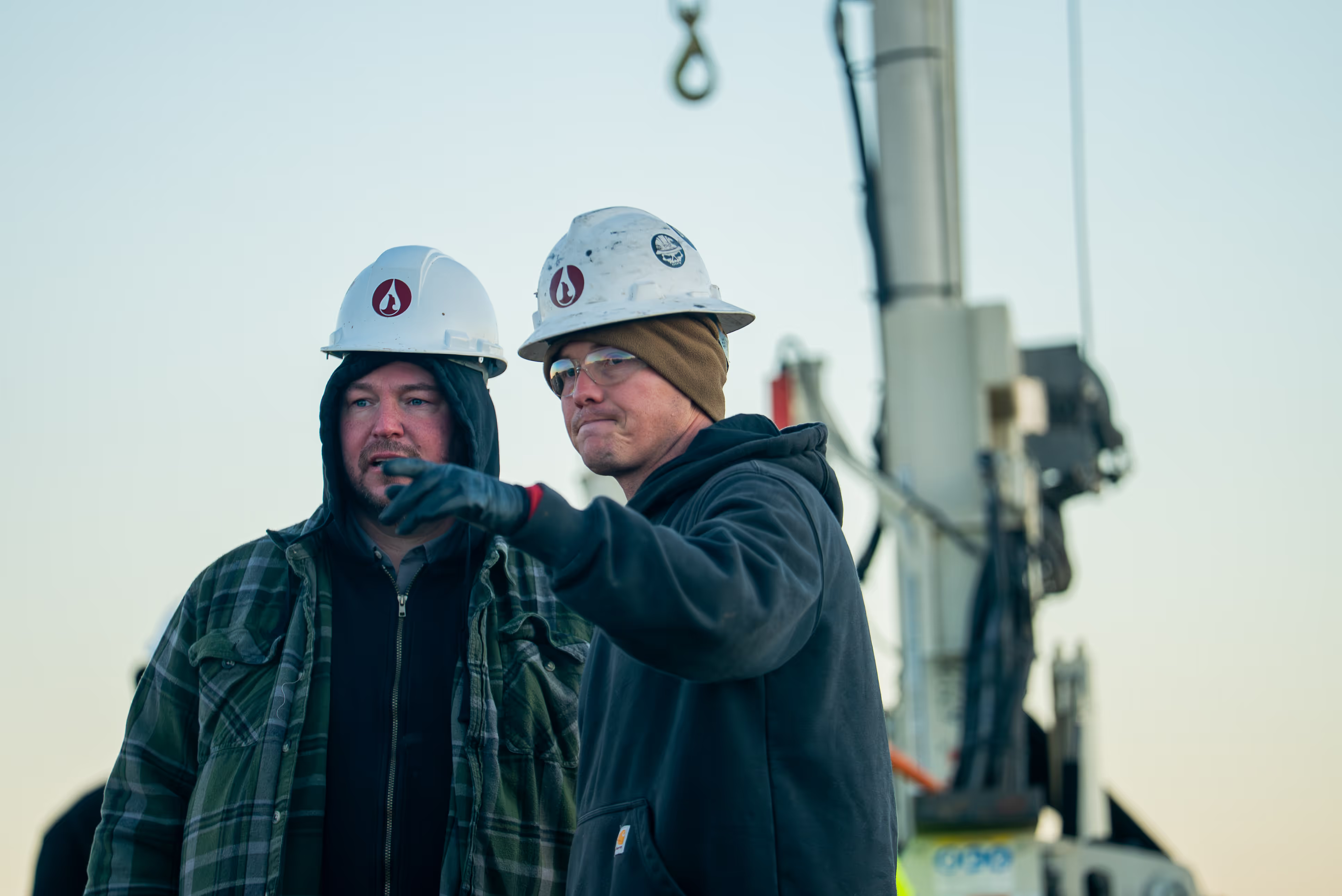
Contamination in the subsurface doesn't announce itself. Soil monitoring is how you find out what's present, where it has traveled, and whether conditions are improving or holding steady. At The Phoenix Group, our field teams conduct soil monitoring and soil sampling across Oklahoma following OCC, DEQ, and EPA guidelines, collecting accurate data in whatever conditions the site presents.
We sample for both LNAPL and DNAPL compounds and apply the approved sampling methods appropriate to each project. That matters because the methodology shapes the data, and the data shapes every decision that follows. Each sampling round feeds into a larger picture of what the site is doing. Our reports closely follow Oklahoma requirements and are organized so you always know where the project stands and what comes next.
Environmental soil monitoring isn't just a regulatory requirement. It's the foundation for smart remediation decisions. Whether you're working through a corrective action plan or managing ongoing compliance, you need soil contamination monitoring data you can trust. That's what we provide.
Oklahoma sites come in all shapes. Some are straightforward corrective action cases with a clear release point and a defined monitoring network. Others involve multiple source areas, varying soil types, or a regulatory history that spans years. We've worked on both kinds, and our field teams are prepared for the conditions they'll actually find on site rather than the ideal version of it. Soil sampling protocols are followed consistently regardless of how simple or complicated the location turns out to be. When the data is collected carefully and documented thoroughly, the path forward is easier for everyone involved, including the client, the consultant, and the agency reviewing the work.
Soil monitoring is most useful when it's treated as a continuous process rather than a series of isolated events. Each round of data builds on the last, and over time, the trend line tells you more than any single sample ever could.