.jpg)
When a property involves fuel storage, past releases, or older infrastructure, a Phase 2 Environmental Site Assessment isn’t optional — it’s the step that tells you what’s really happening below the surface. If you’re buying, selling, or managing a fuel-related property in Oklahoma, a clear plan and a steady hand matter. This checklist breaks down what to expect from a Phase 2 Environmental Site Assessment, written in straightforward terms so you know exactly what comes next.
1. Confirm Why Phase 2 Is Needed
A Phase 2 typically follows a Phase 1 that flagged potential concerns. Maybe there’s a history of spills, abandoned tanks, stained soils, or gaps in documentation. Before any sampling starts, you should understand the trigger and what regulators will expect next. That clarity shapes the entire scope of work for your Phase 2 Environmental Site Assessment.
2. Review Historical Findings and Access Points
A solid assessment starts with preparation. Your consultant should gather:
- Phase 1 reports
- Past tank records
- State communication
- Prior sampling data
This keeps the Phase 2 targeted — not overbuilt or under-scoped.
3. Plan Soil and Groundwater Sampling Locations
Sampling isn’t guesswork. Locations should be based on the site’s operations, tank layout, and known risk areas. In Oklahoma, that often means assessing:
- Former UST pits
- Dispenser islands
- Fuel lines
- Areas of stained soil
- Waterflow paths that could carry contamination
A proper Phase 2 ESA focuses on accuracy, not volume — the right samples in the right places.
4. Conduct Fieldwork Safely and Efficiently
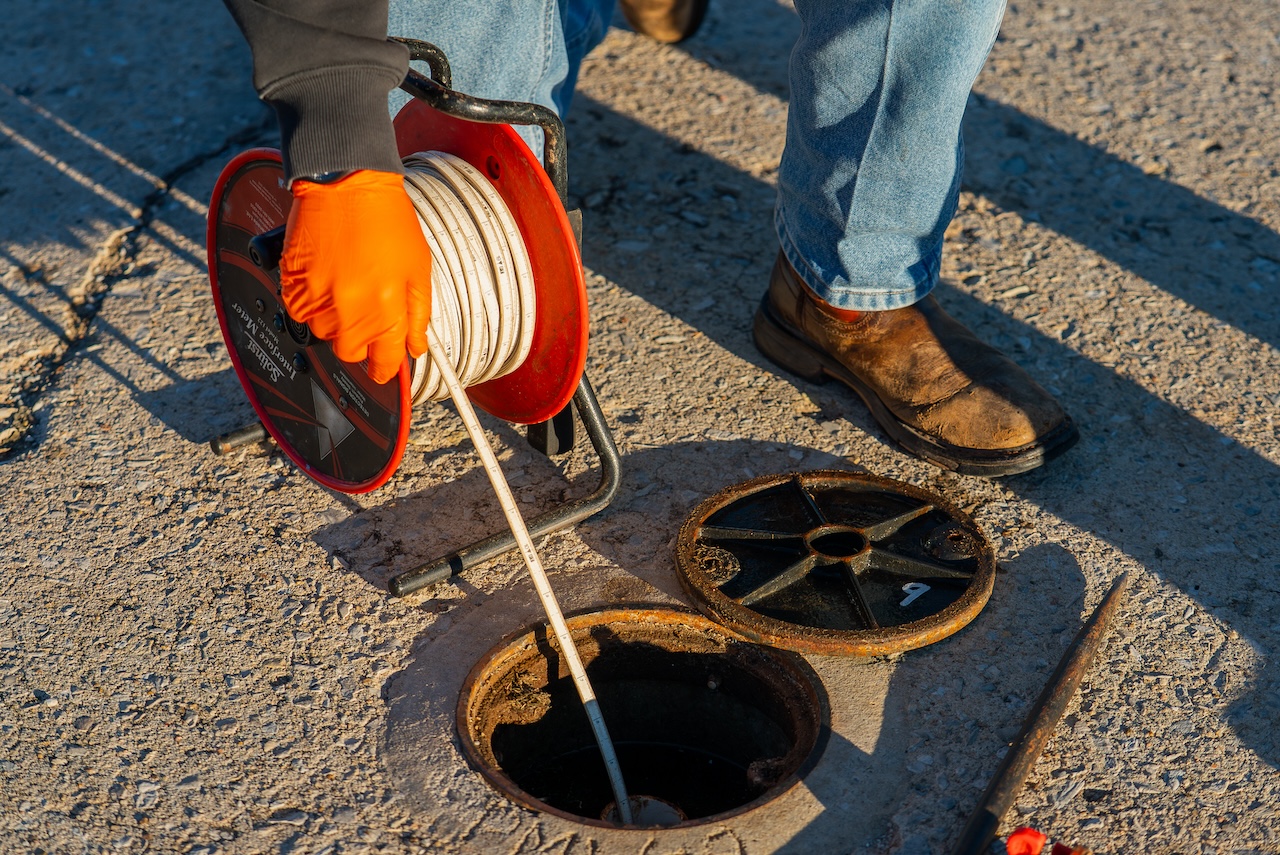
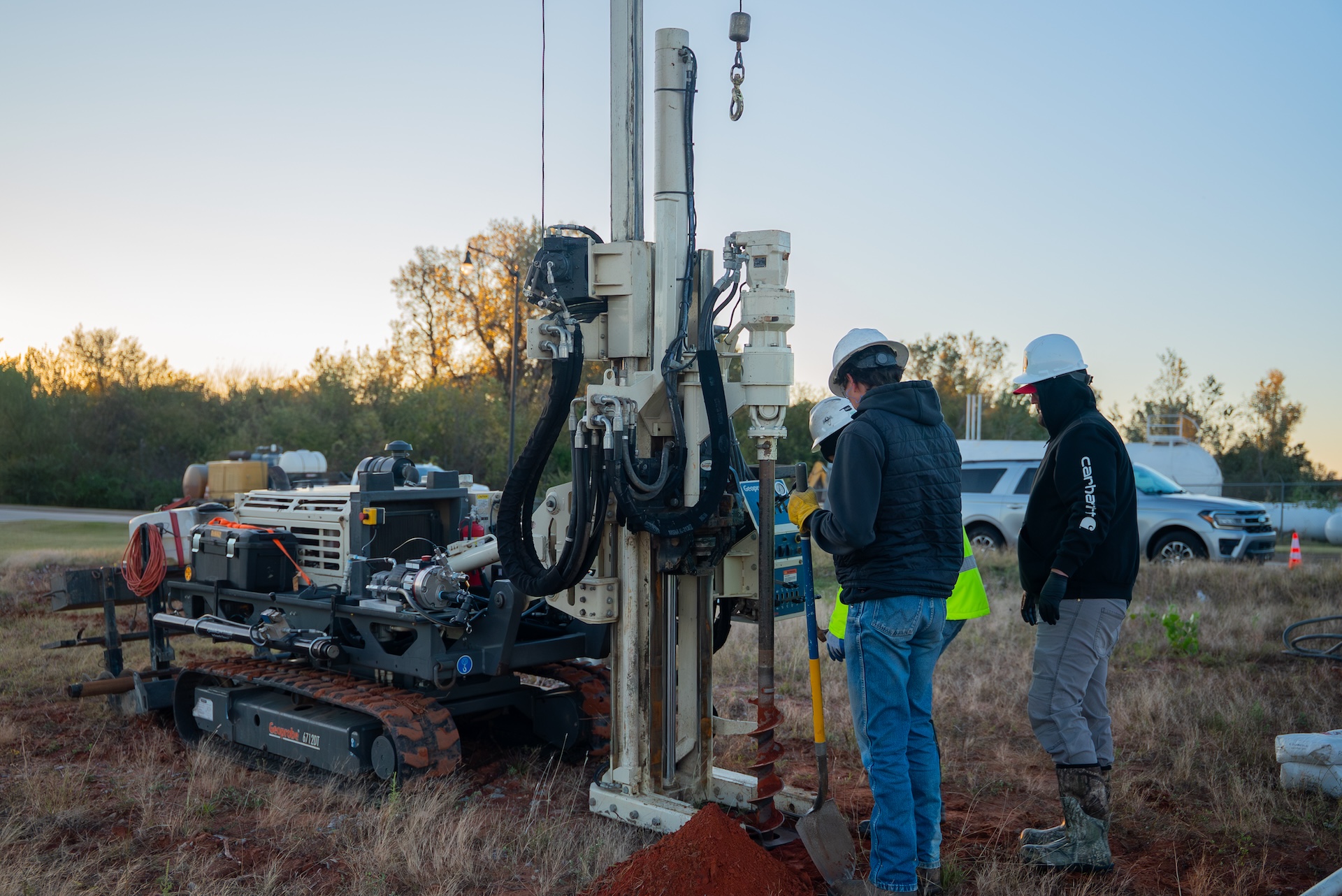
This is where experience matters. Field crews should drill, sample, and log conditions without disrupting business operations when possible. You want licensed professionals who understand both OCC expectations and on-site realities. Good fieldwork protects the property, the owner, and the final report.
5. Analyze Laboratory Results and Compare to Oklahoma Standards
Results are compared against state regulatory thresholds. Your consultant should explain, in plain language, what those numbers mean:
- Is contamination present?
- How far does it extend?
- Does it require remediation?
- What’s the most efficient path to closure?
You should walk away with clarity, not confusion.
6. Receive a Clear, Action-Ready Report
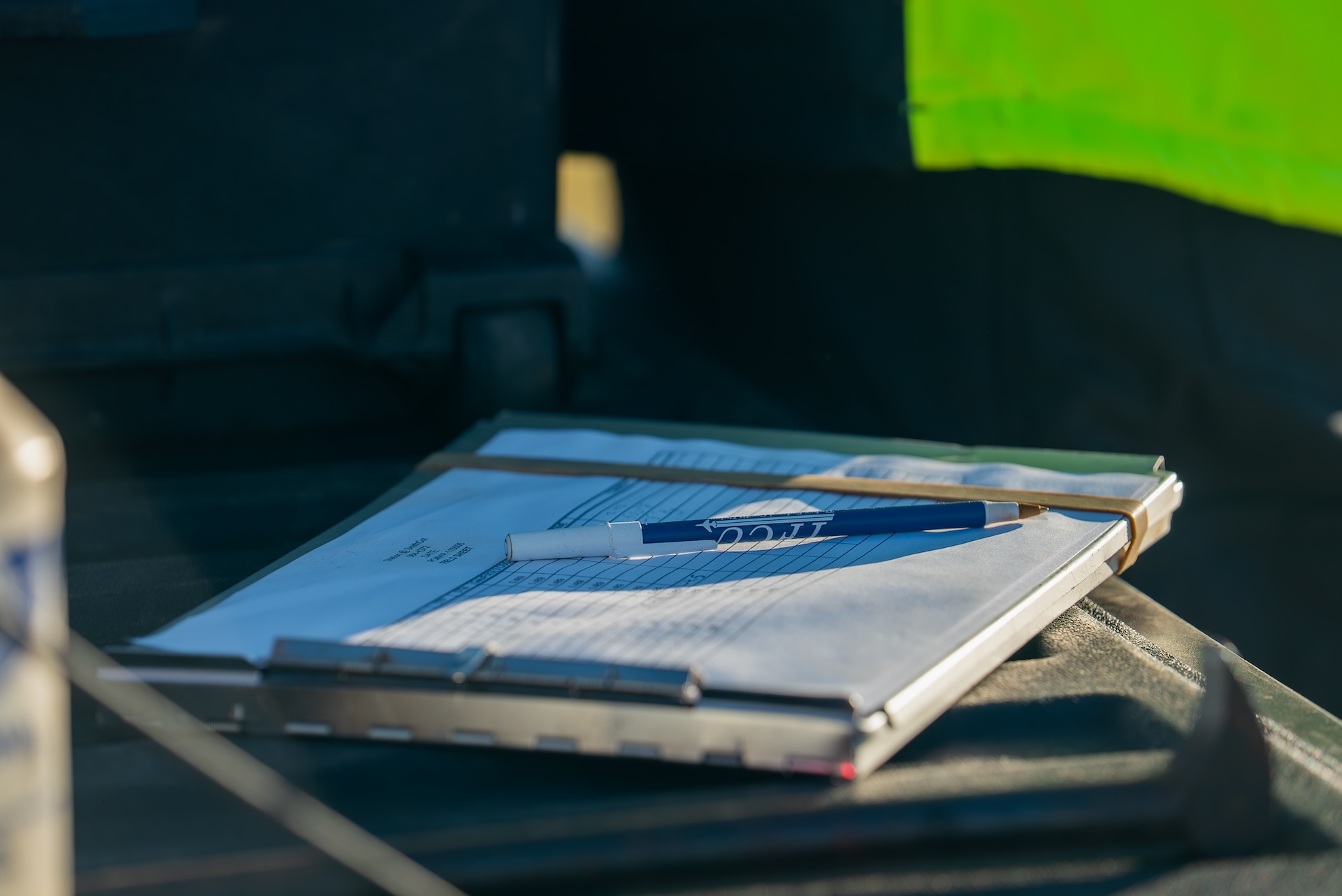
A strong Phase 2 report doesn’t just state the findings — it guides next steps. It should outline whether cleanup is required, how complex it may be, and what it means for your transaction or ongoing operations.
Need help with Phase 2?
If you’re facing a Phase 2 Environmental Site Assessment in Oklahoma, you don’t need more stress — you need a team that knows this landscape inside and out. The Phoenix Group has handled numerous Phase 2 investigations across Oklahoma. across the state, from small-town stations to complex commercial properties. We show up fast, do the work ourselves, and make sure every step meets Oklahoma’s regulatory standards.
We keep the process clear, the communication direct, and the path to closure straightforward. No runaround. No overbuilt reports. Just reliable fieldwork, clean documentation, and a plan you can trust.
Contact us and we’ll take care of the next steps.